0
0
 0
0
Getting a spray tan is an exciting beauty treatment that gives you a gorgeous glow. However, the first night after your session requires careful planning. Your fabric choices can make or break your tan results. Blushed Beauty Barla offers expert beauty services and understands the importance of proper aftercare for maintaining your perfect tan.
Many clients wonder what do you wear to a spray tan appointment and afterward. The clothing choices you make for sleeping directly impact how your tan develops overnight. Additionally, the wrong fabric can cause streaking, uneven color, or premature fading.
Your spray tan continues developing for 8-12 hours after application. Therefore, everything that touches your skin during this crucial period affects the final result. Smart fabric choices ensure an even, beautiful tan that lasts longer.
Understanding Spray Tan Development Process
Spray tanning solutions contain DHA (dihydroxyacetone) that reacts with amino acids in your skin. This chemical reaction creates the bronze color gradually over several hours. However, the process requires proper conditions to work effectively.
During development, your tan remains vulnerable to disruption. Tight clothing, rough fabrics, or excessive moisture can interfere with the chemical process. Therefore, choosing appropriate sleepwear becomes essential for optimal results.
The first 8 hours prove most critical for tan development. Your skin needs to breathe while maintaining the right moisture balance. Additionally, any friction during this period can cause uneven coloration or patchy results.
Best Fabric Types for Post-Spray Tan Sleep
Natural Breathable Fabrics
Cotton stands as the gold standard for post-spray tan sleepwear. This natural fiber allows excellent air circulation while remaining gentle against developing tan. However, choose loose-fitting cotton garments to minimize skin contact.
Bamboo fabric offers another excellent option with naturally antibacterial properties. It wicks moisture effectively while remaining incredibly soft. Additionally, bamboo fabric resists odors better than traditional cotton materials.
Silk provides luxurious comfort with minimal friction against skin. The smooth texture prevents catching or pulling on developing tan. Therefore, silk pajamas work wonderfully for those seeking ultimate comfort during tan development.
Moisture-Wicking Materials
Athletic fabrics designed for moisture-wicking help maintain proper skin hydration levels. These materials pull excess moisture away from skin without completely drying it out. However, avoid synthetic blends that might trap heat or cause irritation.
Merino wool offers natural temperature regulation and moisture management. Despite common misconceptions, high-quality merino feels soft and comfortable against skin. Additionally, wool naturally resists bacterial growth that could interfere with tan development.
Fabrics to Avoid After Spray Tanning
Synthetic Materials
Polyester and nylon trap heat and moisture against your skin. These conditions can cause uneven tan development or premature fading. Therefore, avoid synthetic pajamas during the crucial first night after spray tanning.
Spandex and lycra create compression that can leave fabric impressions on developing tan. The tight fit prevents proper air circulation around treated skin. Additionally, elastic materials often contain chemicals that might interact negatively with tanning solutions.
Heavy or Textured Fabrics
Flannel pajamas feel cozy but create too much friction against developing tan. The brushed texture can disturb the chemical process and cause streaking. However, lightweight cotton alternatives provide similar comfort without these risks.
Denim or heavy cotton materials put excessive pressure on skin during sleep. This compression can create uneven color distribution or lighter patches. Therefore, save your favorite heavy pajamas for after your tan fully develops.
Optimal Sleepwear Configurations
Loose-Fitting Options
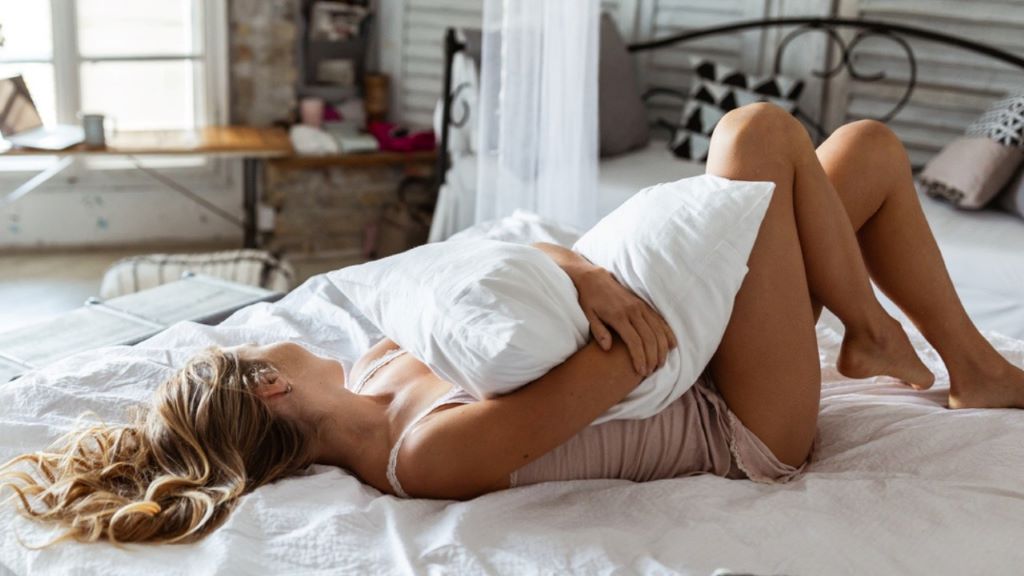
Oversized t-shirts and loose shorts provide ideal coverage while minimizing skin contact. The relaxed fit allows air circulation and prevents fabric from sticking to developing tan. Additionally, loose clothing reduces the risk of sleep position marks.
Long, flowing nightgowns work excellently for those who prefer more coverage. Choose styles with minimal seams and soft, natural fabrics. However, ensure the hemline doesn’t create tight bands around legs or waist.
Strategic Skin Exposure
Some experts recommend sleeping with minimal clothing to reduce fabric contact entirely. This approach works well in private, comfortable environments with appropriate room temperature. Therefore, consider your personal comfort and living situation when choosing this option.
Alternatively, wear clothing only on areas where tan coverage matters less. For example, cover torso while leaving arms and legs exposed. Additionally, this selective approach balances modesty with optimal tan development.
Bedding Considerations for Spray Tan Success
Sheet Selection
Dark-colored sheets hide any potential tan transfer better than light colors. Choose deep browns, blacks, or dark grays for your spray tan nights. However, remember that some temporary staining might occur regardless of sheet color.
Old sheets you don’t mind potentially staining offer the best solution. Most tan transfer washes out easily, but older linens eliminate any concern about damaging expensive bedding. Additionally, keep a dedicated set of “tan sheets” for future spray tan sessions.
Protective Barriers
Towels placed strategically on pillows and sheets provide extra protection. Dark towels work best to camouflage any transfer while protecting your regular bedding. Therefore, lay towels where your body makes the most contact with the bed.
Waterproof mattress protectors offer additional insurance against staining. These barriers protect expensive mattresses while allowing normal comfort and breathability. However, choose breathable, comfortable options rather than plastic materials that cause sweating.
Temperature and Environment Control
Room Temperature Management
Maintain a cool, comfortable sleeping environment around 65-68°F. Excessive heat can cause sweating that interferes with tan development. Additionally, cooler temperatures prevent the restless sleep that leads to excessive movement and fabric friction.
Good air circulation helps maintain optimal conditions for tan development. Use fans or air conditioning to prevent stuffiness without creating direct drafts on your skin. Therefore, gentle air movement proves ideal for post-spray tan sleep.
Humidity Considerations
Moderate humidity levels between 40-60% support proper tan development. Too much moisture can cause streaking, while overly dry air might cause uneven absorption. However, most home environments naturally maintain appropriate humidity levels.
According to the Sleep Foundation, optimal sleep environments maintain consistent temperature and humidity levels that coincidentally support spray tan development as well.
Common Mistakes to Avoid
Tight Clothing Errors
Wearing fitted pajamas creates pressure points that appear as lighter patches in your final tan. Elastic waistbands, tight sleeves, and snug necklines all leave visible marks. Therefore, choose the loosest comfortable options available.
Sports bras or fitted undergarments can create distinctive tan lines or uneven coloration. Remove these items entirely or choose seamless, wireless alternatives. Additionally, any clothing with decorative elements like buttons or zippers can create imprints.
Fabric Care Mistakes
Washing spray tan clothing with regular laundry can transfer color to other items. Wash post-tan garments separately in cold water initially. However, most temporary staining disappears after one or two wash cycles.
Using fabric softeners or dryer sheets can leave residues that interfere with future spray tan sessions. Skip these products when washing clothes worn during tan development. Therefore, maintain dedicated sleepwear for spray tan nights.
Long-Term Spray Tan Maintenance
Sleep Routine Adjustments
Developing consistent sleep routines minimizes movement that can disturb developing tans. Try to maintain your normal sleep position and avoid excessive tossing and turning. Additionally, quality sleep supports overall skin health that enhances tan longevity.
Regular exfoliation between spray tan sessions helps create even surfaces for future applications. However, avoid harsh scrubbing that might remove existing tan prematurely. Therefore, gentle preparation extends both current and future tan results.
Wardrobe Planning
Keep a dedicated collection of loose, dark-colored sleepwear specifically for post-spray tan nights. Having these items readily available eliminates stress and ensures optimal choices every time. Additionally, replace worn items that might have rough textures or tight fits.
The American Academy of Dermatology emphasizes the importance of proper skincare routines that complement cosmetic treatments like spray tanning for optimal results.
Professional Tips for Success
Pre-Sleep Preparation
Shower timing plays a crucial role in spray tan success. Wait the recommended time before your first rinse, typically 6-8 hours after application. However, consult your spray tan technician for specific timing based on the products used.
Apply minimal moisturizer only to areas prone to excessive dryness like elbows, knees, and ankles. Too much moisture can interfere with tan development. Therefore, use products recommended by your spray tan professional.
Quality Sleep Importance
Prioritizing good sleep quality helps your body process the spray tan chemicals effectively. Stress and poor sleep can affect skin condition and tan longevity. Additionally, well-rested skin maintains color better and fades more evenly.
Create a relaxing bedtime routine that doesn’t involve activities that might disturb your tan. Avoid hot baths, vigorous exercise, or other activities that cause excessive sweating. Therefore, plan calm, gentle activities for your spray tan evening.
Conclusion
Choosing appropriate fabrics for sleeping after spray tanning significantly impacts your results. Natural, breathable materials like cotton, bamboo, and silk provide optimal conditions for tan development. Additionally, loose-fitting garments prevent pressure marks and allow proper air circulation.
Avoiding synthetic materials, tight clothing, and rough textures helps ensure even color development. Therefore, investing in dedicated post-spray tan sleepwear proves worthwhile for regular spray tan clients. Smart fabric choices, combined with proper environmental conditions, create the foundation for beautiful, long-lasting spray tan results.
Frequently Asked Questions
Can I sleep naked after a spray tan? Yes, sleeping without clothing eliminates fabric friction that can disturb tan development. However, use dark towels or old sheets to protect bedding from potential transfer.
What happens if I wear tight pajamas to bed after spray tanning? Tight clothing creates pressure points that appear as lighter patches or lines in your final tan. Additionally, elastic bands and seams can leave permanent marks on developing color.
How long should I wait before wearing normal clothes after spray tanning? Wait at least 8-12 hours before wearing fitted clothing. However, loose, dark-colored garments can be worn immediately after your spray tan session ends.
Will my spray tan stain my expensive silk pajamas? Some temporary transfer might occur with any fabric during the first night. Therefore, use older garments or those you don’t mind potentially staining for optimal results.
Should I change my sheets after sleeping with a fresh spray tan? Dark or old sheets work best for spray tan nights to hide potential transfer. However, most staining washes out easily with regular laundering in cold water.
Read More:
Modern Heirlooms: Investing in Antique Jewelry for Future Generations