 0
0
 0
0
Ruffle dresses add romance and movement to any wardrobe. However, achieving graceful movement requires proper weight distribution. Understanding skirt balance transforms how you walk and feel. This guide explores techniques for comfortable, elegant movement in ruffled garments.
Understanding Ruffle Weight Distribution
Ruffles add layers of fabric to dress designs. Each layer contributes weight to specific areas. The placement affects how the skirt moves with your body. Therefore, balanced weight distribution becomes essential for comfortable wear.
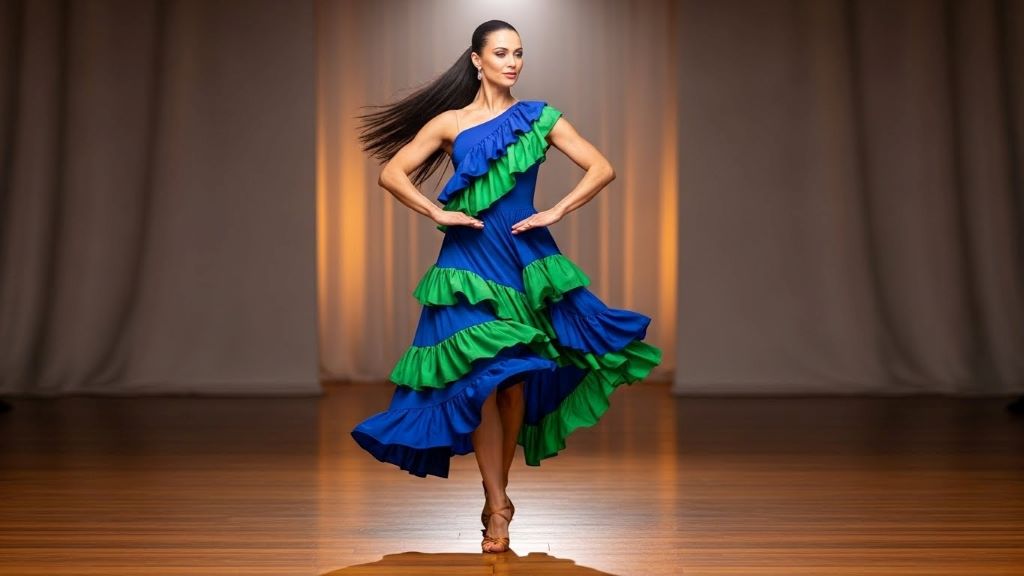
Multiple ruffles create cascading effects down the skirt. This design adds volume and visual interest. However, concentrated ruffles in one area can pull the garment awkwardly. Additionally, uneven distribution causes the dress to swing unpredictably while walking.
The fabric type significantly impacts overall weight. Lightweight materials like chiffon create different balance needs than heavy cotton. Moreover, the number of ruffle tiers multiplies the fabric weight. Consequently, understanding these factors helps you choose well-balanced designs.
How Fabric Choice Affects Balance
Lightweight fabrics move more freely with each step. Chiffon, organza, and silk create flowing movement. These materials reduce the overall weight on your hips. Furthermore, they require less adjustment while walking.
Heavier fabrics like taffeta or thick cotton add substantial weight. The increased mass affects your natural gait. However, these materials often hold their shape better. Therefore, they can actually improve balance in some designs.
Mixed fabric combinations require special consideration. A cotton base with chiffon ruffles creates interesting weight dynamics. The heavier foundation anchors lighter decorative elements. Additionally, this combination often provides the best balance for walking comfort.
Skirt Length and Movement Dynamics
Floor-length ruffled skirts present unique balance challenges. The fabric pools at your feet with each step. This creates resistance that affects your walking rhythm. However, proper hemming and weight distribution can minimize these issues.
Knee-length ruffled dresses offer easier movement. The shorter length reduces fabric interference with your legs. Additionally, there is less total fabric weight to manage. Therefore, these lengths work well for active occasions.
Tea-length ruffled skirts provide a middle ground. They offer elegant movement without excessive fabric. The mid-calf length allows natural walking patterns. Moreover, this length flatters most body types effectively.
Strategic Ruffle Placement for Better Balance
Vertical ruffle placement creates elongating effects. These designs distribute weight evenly down the skirt. The balanced distribution supports smooth walking. Furthermore, vertical ruffles reduce side-to-side swaying.
Horizontal tiers add width at specific points. Multiple tiers at the hem create bottom-heavy designs. This concentration can throw off your natural balance. However, graduated sizing helps maintain equilibrium.
Asymmetrical ruffle arrangements add visual drama. One-sided designs shift weight distribution intentionally. Walking in these dresses requires slight posture adjustments. Additionally, you may need to modify your stride slightly.
The Role of Undergarments in Balance
Petticoats add structure beneath ruffled skirts. They create volume while supporting the outer fabric. The additional layer helps distribute weight more evenly. Therefore, petticoats often improve walking comfort significantly.
Slip dresses provide smooth surfaces for ruffles to glide over. They reduce friction between layers and your legs. This smoother movement makes walking feel more natural. Additionally, slips prevent ruffles from clinging to your body.
Shapewear can anchor the dress to your body better. This foundation prevents excessive swaying while walking. However, choose breathable options for all-day comfort. Moreover, ensure the shapewear does not restrict your natural movement.
Walking Techniques for Ruffled Dresses
Start with shorter, controlled steps in heavy ruffled designs. This technique prevents the fabric from tangling between your legs. Your natural rhythm adjusts quickly to the dress weight. Furthermore, controlled steps appear more graceful and intentional.
Maintain upright posture to support the dress weight properly. Good posture distributes the load across your core muscles. This reduces fatigue during extended wear. Additionally, proper alignment prevents the dress from pulling awkwardly.
According to fashion experts at Harper’s Bazaar, practicing at home helps you adjust to dress weight. Walk around your house before wearing the dress out. This familiarization improves confidence and comfort significantly.
Adjusting Your Stride for Different Ruffle Styles
Tiered ruffles require a smooth, gliding walk. Avoid bouncy or abrupt movements that create excessive swaying. Each step should flow naturally into the next. Therefore, imagine yourself floating rather than stepping.
Single-layer ruffled hems allow more natural movement. You can maintain your regular walking pace easily. However, still be mindful of the added fabric volume. Additionally, watch for ruffles catching on shoes or heels.
Full circle skirts with ruffles demand special attention. The 360-degree volume swings with each movement. Practice turning and sitting before wearing these styles out. Moreover, allow extra space when navigating tight areas.
Dealing with Wind and Outdoor Conditions
Windy conditions present challenges for ruffled dresses. Lightweight fabrics catch air easily and billow unpredictably. Strategic weights sewn into hems help control movement. Furthermore, these weights maintain the dress’s intended silhouette.
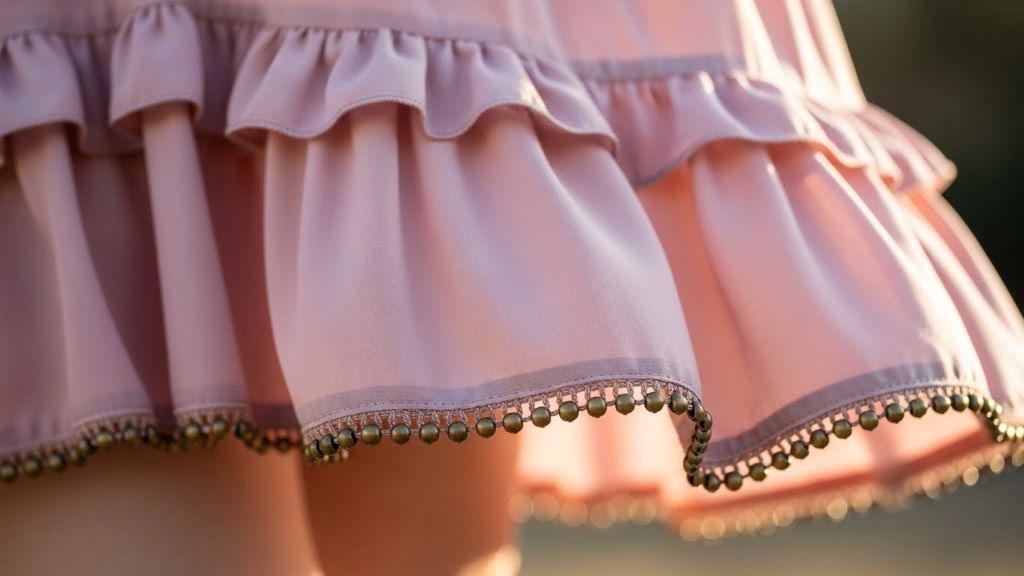
Small chain weights work well for delicate fabrics. They add just enough mass without visible bulk. Sew them into the hem allowance for discretion. Additionally, distribute weights evenly around the circumference.
Weighted lace trim serves a dual purpose. It adds decorative detail while increasing hem weight. This solution looks intentional rather than corrective. Therefore, it provides both function and beauty.
The Impact of Body Movement on Balance
Hip sway naturally affects ruffle movement. Each step creates momentum in the fabric. Understanding this connection helps you control the effect. Additionally, you can use it to enhance the dress’s flow.
Walking speed directly impacts ruffle behavior. Faster movement increases fabric swing and displacement. Slower, deliberate steps create more controlled effects. Therefore, adjust your pace based on the occasion.
Turning and pivoting require extra consideration. Quick directional changes create tangling risks. Slow your movements when changing direction. Moreover, allow the fabric to settle before your next step.
Sitting and Standing Gracefully
Sitting down requires gathering ruffles carefully. Sweep the fabric to your sides as you lower yourself. This prevents sitting directly on the ruffles. Furthermore, it maintains the dress’s shape and appearance.
Standing up from a seated position needs smooth coordination. Use your hands to release gathered fabric gradually. Stand slowly to let the dress fall naturally. Additionally, smooth any twisted ruffles before walking.
Practice these transitions to build muscle memory. The movements become automatic with repetition. Therefore, you will appear effortlessly graceful in social situations.
Choosing Shoes for Optimal Balance
Heel height affects your center of gravity significantly. Higher heels shift weight forward and change your posture. This altered balance impacts how the dress moves. However, well-fitted heels can actually improve your gait.
Platform shoes provide height with better stability. The additional sole surface distributes weight more evenly. This stable base supports heavy ruffled dresses effectively. Moreover, platforms reduce foot fatigue during extended wear.
According to style guides at Vogue, matching shoe weight to dress weight creates harmony. Heavy ruffled dresses pair well with substantial footwear. Delicate ruffles work better with lighter shoes. This coordination improves overall balance significantly.
Alterations for Improved Balance
Professional hemming ensures even weight distribution. Uneven hems create lopsided movement patterns. A skilled tailor can adjust for perfect balance. Furthermore, proper hemming prevents tripping hazards.
Adding or removing ruffle tiers changes weight dynamics. Too many ruffles can overwhelm your frame. Simplifying the design often improves wearability. Additionally, strategic removal can enhance the silhouette.
Lining adjustments affect how ruffles hang. A well-fitted lining provides structure and support. It prevents ruffles from clinging uncomfortably. Therefore, proper lining is essential for balanced movement.
Maintaining Balance Throughout the Day
Regular adjustments keep your dress sitting properly. Check the alignment every few hours. Small tweaks prevent major balance issues from developing. Additionally, this maintenance preserves your polished appearance.
Hydration and comfort affect your posture and movement. Fatigue causes slouching that impacts dress balance. Take breaks when wearing heavy ruffled garments. Moreover, rest helps you maintain graceful movement all day.
Strategic clothing changes can help at long events. Swap to a simpler dress for dancing or extended activity. Reserve the ruffled dress for key moments. Therefore, you stay comfortable while looking stunning.
Common Balance Problems and Solutions
Dress twisting to one side indicates uneven weight. This often results from asymmetrical ruffle placement. Wearing a belt can anchor the dress better. Additionally, adjusting your undergarments may help.
Ruffles bunching between your legs disrupt smooth walking. This problem often stems from static electricity. Anti-static spray provides a quick solution. Furthermore, choosing different fabric combinations can prevent this issue.
Excessive fabric drag signals too much length or weight. Hemming or removing lower ruffles resolves this problem. Professional alterations ensure the modifications look intentional. Therefore, customization improves both comfort and appearance.
Seasonal Considerations for Ruffle Balance
Summer heat makes heavy ruffled dresses uncomfortable. Choose lightweight fabrics for warm weather wear. Fewer ruffle tiers reduce bulk and weight. Additionally, breathable materials prevent overheating.
Winter layering adds complexity to balance management. Tights and boots change how the dress hangs. Account for these additions when selecting your outfit. Moreover, heavier fabrics work better in cold weather.
Spring and fall offer ideal conditions for ruffled dresses. Moderate temperatures accommodate various fabric weights. These seasons allow maximum styling flexibility. Therefore, experiment with different ruffle designs.
Conclusion
Achieving smooth walking in ruffled dresses requires understanding weight distribution and balance. Fabric choice, ruffle placement, and skirt length all impact movement dynamics. Strategic undergarments, proper alterations, and mindful walking techniques enhance comfort significantly. Choosing appropriate footwear and making regular adjustments throughout the day maintains optimal balance. Whether wearing lightweight chiffon ruffles or heavy tiered designs, these principles apply universally. With practice and attention to these details, you can move gracefully and confidently in any ruffled dress. Ultimately, balanced design and thoughtful styling create the elegant, flowing movement that makes ruffled dresses so appealing.
Frequently Asked Questions
How do you walk smoothly in a ruffled dress?
Take shorter, controlled steps and maintain upright posture. Practice walking at home before wearing the dress out. Glide smoothly rather than bouncing, and allow the fabric to flow naturally with each movement. Proper undergarments and well-fitted shoes also improve walking comfort.
What causes a ruffled skirt to twist while walking?
Uneven weight distribution from asymmetrical ruffle placement causes twisting. Static electricity between fabric layers also contributes to this problem. Wearing a belt to anchor the dress and using anti-static spray can help prevent twisting during wear.
Can alterations improve ruffle dress balance?
Yes, professional alterations significantly improve balance and comfort. Even hemming ensures proper weight distribution. Adding or removing ruffle tiers adjusts overall weight. Additionally, lining modifications provide better structure and support for smooth movement.
What type of shoes work best with heavy ruffled dresses?
Substantial footwear like platform heels or chunky boots provides stability. These shoes balance the dress weight and support your posture. Match shoe weight to dress weight for optimal harmony. Well-fitted shoes prevent fatigue during extended wear.
How do you prevent ruffles from bunching between your legs?
Use anti-static spray on both the dress and any undergarments. Wear a smooth slip dress underneath to reduce friction. Choose fabrics less prone to static cling. Additionally, taking slightly wider steps prevents ruffles from catching between your thighs.
Related Topics:
Six Fashion DIYs to Try at Home