 0
0
 0
0
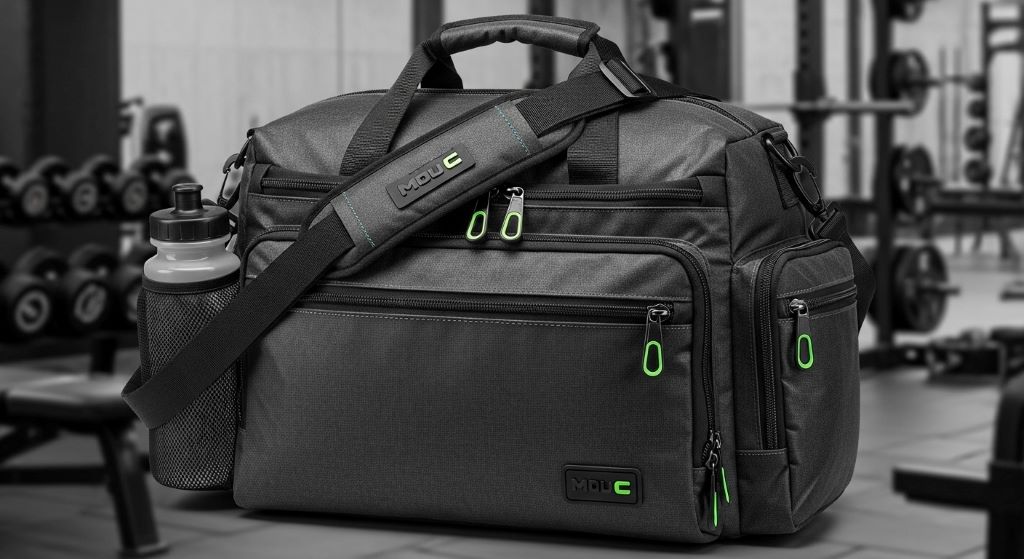
Finding the perfect gym bag can transform your workout routine from chaotic to organized. Your training gear deserves a reliable companion that keeps everything accessible and protected. With countless options available, understanding what makes a quality gym duffel essential for making the right choice.
Understanding Your Training Needs
Before purchasing any bag, consider your specific workout requirements. Different training styles demand different storage solutions. Powerlifters need space for lifting belts and knee sleeves, while swimmers require compartments for wet items. Yoga enthusiasts benefit from bags with mat holders, whereas CrossFit athletes need room for jump ropes and wrist wraps.
Think about your daily routine beyond the gym. Do you commute directly from work? Will you need space for laptop and documents alongside training gear? These practical considerations influence which features matter most. Additionally, consider whether you shower at the gym or home, as this affects how much storage you need for toiletries and fresh clothes.
Size Matters for Your Lifestyle
Selecting the appropriate size prevents frustration down the road. Too small means leaving essentials behind, while oversized bags become cumbersome during transit. A large capacity duffel works perfectly for athletes who pack multiple outfit changes, meal prep containers, and extensive gear collections.
Most gym-goers find success with medium to large bags ranging from 40 to 65 liters. This volume accommodates shoes, workout clothes, towel, water bottle, and personal items comfortably. However, weekend warriors or casual exercisers might prefer compact options around 30 liters. Measure your typical gear pile before shopping to visualize required capacity.
Travel frequency also determines ideal sizing. Those who combine business trips with training sessions benefit from bags doubling as carry-on luggage. Therefore, checking airline dimension requirements ensures your investment serves multiple purposes efficiently.
Material Quality and Durability
The construction material directly impacts longevity and performance. Cheap fabrics tear easily under daily stress, especially at stress points like handles and zippers. Premium materials withstand years of use while maintaining their appearance and functionality.
Nylon and polyester dominate the market due to their strength and affordability. High-denier fabrics offer superior resistance to abrasions and punctures. Canvas provides a classic aesthetic but typically weighs more than synthetic alternatives. Meanwhile, specialized materials combine multiple layers for enhanced protection.
Reinforced stitching at seams and attachment points prevents premature failure. Double or triple stitching indicates quality craftsmanship worth investing in. Examine zipper quality closely, as these components fail most frequently on budget bags. YKK zippers represent industry-leading reliability and smooth operation.
Waterproof Protection for Your Gear
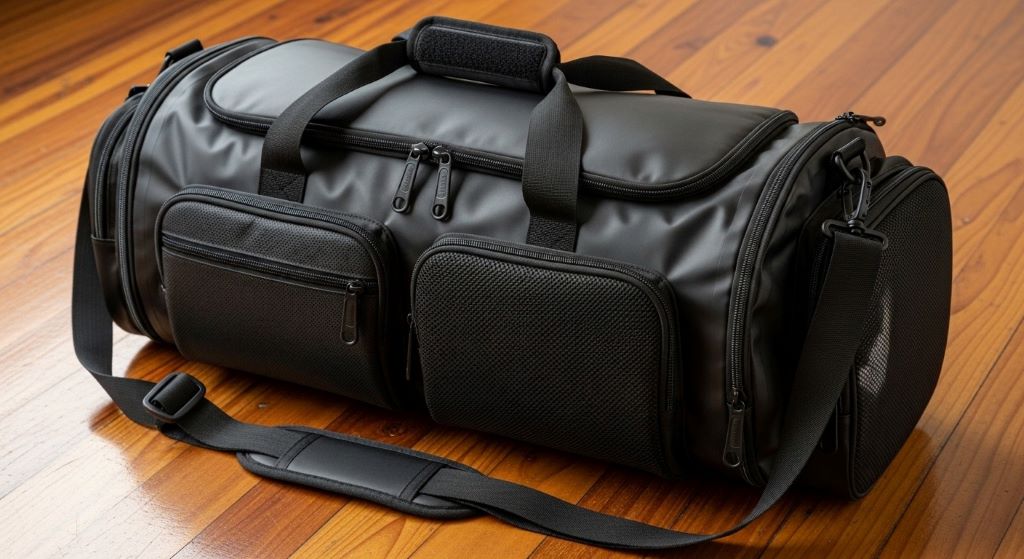
Moisture protection ranks among the most valuable features for active individuals. Rain, snow, or accidental spills threaten electronics, important documents, and clean clothing. A waterproof gym bag shields contents from external elements, providing peace of mind during unpredictable weather.
True waterproof construction differs from water-resistant materials. Waterproof bags feature sealed seams and specialized coatings preventing any liquid penetration. Water-resistant options repel light moisture but eventually succumb to heavy exposure. Understanding this distinction helps set appropriate expectations for your purchase.
Internal moisture management matters equally. Sweaty workout clothes generate dampness inside your bag, potentially damaging other items. Look for bags with ventilated compartments or separate wet pockets isolating soiled gear from clean belongings. This organizational feature maintains freshness and prevents unpleasant odors from developing.
Compartment Organization Systems
Smart organization transforms how efficiently you access and store items. Multiple compartments keep similar items grouped together, eliminating frustrating searches through jumbled contents. Dedicated spaces for shoes prevent dirty soles from contacting clean clothes or electronics.
Side pockets provide quick access to frequently needed items like keys, phone, or gym membership card. Internal mesh pockets secure smaller accessories such as resistance bands, hair ties, or charging cables. Some bags include insulated compartments maintaining food temperature for meal prep enthusiasts.
Consider your personal organization style when evaluating layouts. Minimalists prefer simple designs with fewer divisions, while detailed planners appreciate extensive compartmentalization. Neither approach proves superior; alignment with your habits determines satisfaction. Additionally, adjustable dividers offer customization adapting to changing needs over time.
Comfort Features for Daily Carrying
Ergonomic design prevents strain during transport, especially for heavy loads. Padded shoulder straps distribute weight evenly across your body, reducing pressure points causing discomfort. Adjustable straps accommodate different body types and carrying preferences.
Convertible carrying options increase versatility significantly. Many quality bags function as duffels, backpacks, and shoulder bags through removable or stowable straps. This flexibility suits various situations throughout your day. Backpack mode works best for cycling or walking long distances, while hand-carry proves convenient for quick gym visits.
Back panel padding enhances comfort when wearing bags backpack-style. Airflow channels prevent excessive sweating against your back during warm weather. Handle placement affects balance and carrying ease, so test different grip positions before committing to any model.
Essential Features Worth Considering
Certain additional features elevate convenience without adding significant cost. Shoe compartments with ventilation holes keep footwear separate while allowing airflow to minimize odor buildup. External accessory loops attach yoga mats, foam rollers, or resistance bands externally, freeing internal space.
Reflective elements improve visibility during early morning or evening commutes. This safety feature proves particularly valuable for cyclists and pedestrians. USB charging ports built into bags enable device charging from portable batteries during transit.
Key clips or carabiners prevent losing small items in bag depths. Water bottle holders should accommodate various container sizes securely. Lockable zippers add security in shared spaces like gym lockers or public transportation.
Style and Personal Expression
While functionality reigns supreme, aesthetic appeal influences satisfaction with your purchase. Your bag accompanies you through various environments, from professional settings to fitness facilities. Choosing designs complementing your lifestyle maintains confidence throughout the day.
Neutral colors like black, gray, or navy offer versatility matching any outfit. Bold colors or patterns express personality and make identification easy in crowded locker rooms. Some brands offer customization options including monogramming or color combinations.
Professional aesthetics matter for those transitioning directly between office and gym. Sleek designs with minimal branding blend seamlessly in corporate environments. Conversely, vibrant athletic styling suits casual lifestyles focused primarily on training.
Budget Considerations and Value
Price ranges vary dramatically based on brand reputation, materials, and features. Entry-level bags start around twenty dollars but often lack durability for daily use. Mid-range options between fifty and one hundred dollars typically provide excellent value, balancing quality and affordability.
Premium bags exceeding one hundred dollars incorporate advanced materials, superior craftsmanship, and extensive warranties. These investments pay dividends through extended lifespan and enhanced performance. Calculate cost per use over expected years to determine true value rather than focusing solely on initial price.
Sales and seasonal discounts provide opportunities acquiring quality bags at reduced prices. However, avoid compromising essential features simply to save money. A slightly more expensive bag meeting all requirements serves better than a cheaper alternative requiring replacement soon.
Brand Reputation and Reviews
Established brands typically maintain quality standards protecting their reputation. Research customer reviews revealing real-world performance beyond marketing claims. Pay attention to recurring complaints indicating systemic issues rather than isolated incidents.
Warranty coverage demonstrates manufacturer confidence in their products. Lifetime warranties suggest exceptional durability expectations, while limited warranties still provide valuable protection. Understand coverage terms including what damage qualifies and whether shipping costs apply.
Community recommendations from fellow athletes offer authentic insights. Online forums and social media groups dedicated to your sport often discuss equipment preferences extensively. These grassroots opinions frequently prove more reliable than sponsored content or paid advertisements.
Testing Before Buying
Physical examination reveals qualities photographs cannot convey. Visit retail stores handling multiple options directly. Test zippers for smooth operation, inspect stitching quality, and assess material thickness. Load bags with approximate gear weight evaluating comfort and balance.
Check internal layout practically by imagining where specific items would go. Ensure pockets accommodate your phone, wallet, and other essentials adequately. Smell bags detecting any chemical odors suggesting low-quality materials.
Try different carrying positions determining which feels most natural. Adjust straps to your body checking for rubbing or pinching. Walk around the store mimicking typical movements during your commute.
Maintenance for Longevity
Proper care extends any bag’s functional life significantly. Regular cleaning prevents dirt accumulation degrading materials over time. Most bags tolerate gentle machine washing on cold settings, though hand washing proves safest. Always air dry completely before storage preventing mildew growth.
Spot clean stains immediately rather than allowing them to set permanently. Mild soap and water handle most common marks effectively. Avoid harsh chemicals potentially damaging waterproof coatings or color fastness.
Store bags loosely packed in dry locations when not in use. Overstuffing during storage stresses seams and zippers unnecessarily. Periodically inspect for developing issues like loose threads or zipper problems, addressing minor repairs before they worsen.
Environmental Considerations
Sustainability-conscious consumers increasingly prioritize eco-friendly manufacturing practices. Some brands utilize recycled materials reducing environmental impact without sacrificing performance. Organic cotton and hemp alternatives appeal to those avoiding synthetic fabrics.
Durability itself represents environmental responsibility. Bags lasting years reduce waste compared to disposable options requiring frequent replacement. Therefore, investing in quality pieces aligns with sustainable consumption principles.
Ethical manufacturing practices including fair labor standards matter to many buyers. Research company values and production transparency if these factors influence your purchasing decisions. Several brands proudly share their supply chain information demonstrating commitment to responsible practices.
Making Your Final Decision
Armed with comprehensive knowledge, narrow choices based on priority features. Create a checklist ranking must-have versus nice-to-have attributes. This structured approach prevents impulse purchases driven by superficial appeal.
Compare top contenders side by side, evaluating how each addresses your specific needs. Consider scenarios where you will use the bag most frequently. The winner should excel in your primary use cases while managing secondary requirements adequately.
Trust your instincts after thorough research. If a particular bag consistently appears in recommendations and meets your criteria, it likely represents a sound choice. Conversely, hesitation despite meeting technical requirements might indicate misalignment with personal preferences.
Conclusion
Choosing the right gym duffel bag involves balancing practical requirements with personal preferences. Size, material quality, organization, and comfort features all contribute to daily satisfaction. A large capacity duffel with proper compartments streamlines your routine, while a waterproof gym bag protects valuable contents from moisture damage.
Invest time researching options thoroughly rather than rushing into hasty decisions. Quality bags serve faithfully for years, making careful selection worthwhile. Consider your unique training style, commute patterns, and lifestyle factors when evaluating alternatives. The perfect bag feels like a natural extension of your fitness journey, supporting your goals without adding frustration.
Remember that the most expensive option does not automatically prove best. Instead, seek bags offering features matching your specific needs at reasonable prices. Read reviews, test products physically when possible, and choose reputable brands standing behind their craftsmanship. Your ideal gym companion awaits, ready to simplify and enhance your daily training experience.
Frequently Asked Questions
What size gym duffel bag should I buy for daily workouts?
For most people, a 40 to 60-liter capacity works perfectly for daily training. This size accommodates workout clothes, shoes, towel, water bottle, toiletries, and small electronics comfortably. If you carry extensive gear like powerlifting equipment or multiple outfit changes, consider larger 65-liter options. Casual gym-goers might find 30-liter bags sufficient for basic needs.
How do I know if a gym bag is truly waterproof?
Genuine waterproof bags feature sealed or welded seams, waterproof zippers, and materials with waterproof ratings measured in millimeters. Look for specifications listing waterproof standards rather than just water-resistant claims. Check customer reviews mentioning real-world wet conditions. Many quality bags include waterproof bottom panels even if entire construction is not fully waterproof.
Can I use my gym duffel bag as carry-on luggage?
Many gym duffels qualify as carry-on bags if they meet airline size restrictions, typically around 22 x 14 x 9 inches. Check your specific airline’s requirements, as they vary slightly. Bags with structured designs and compression straps fit overhead compartments better than floppy styles. Choose bags with organizational features suitable for travel essentials beyond gym gear.
How often should I clean my gym bag?
Clean your gym bag every two to four weeks depending on usage frequency and sweat levels. Immediate spot cleaning of spills prevents permanent staining. Deep clean monthly if you train daily or store sweaty clothes inside. Always air out your bag between uses and use shoe compartments to minimize odor buildup. Regular maintenance prevents bacteria growth and extends bag lifespan.
Are expensive gym bags worth the investment?
Quality gym bags justify higher prices through superior materials, better construction, and longer lifespans. A well-made bag lasting five years costs less per use than cheap bags replaced annually. Premium options often include warranties, advanced features, and better comfort. However, mid-range bags frequently offer excellent value, balancing quality and affordability for most users.
Related Topics:
How to Style a Statement Belt with Jeans for Women’s Casual Looks
Chola Culture and Identity: How Fashion Became a Voice for Chicana Women in the 90s