 0
0
 0
0
Choosing the right travel backpack is one of the most important decisions any traveler can make. The right bag keeps you organized, comfortable, and ready for whatever comes your way. However, finding quality without overspending can feel overwhelming. Dozens of brands compete for your attention, and the price range is enormous.
The truth is that a high price tag does not always mean a better backpack. With the right backpack buying tips, you can find a bag that handles long flights, hostel stays, and mountain trails without draining your wallet. This guide covers everything you need to know. Therefore, by the end, you will feel confident walking into any store or browsing any website to find your perfect travel companion.
Why Your Backpack Choice Matters More Than You Realize
Your backpack is with you every single moment of your trip. It carries your clothes, your documents, your tech, and your snacks. A poorly designed bag will hurt your back, slow you down, and create stress at every security checkpoint.
Additionally, a bag that does not fit your body correctly can cause real physical harm. Shoulder strain, lower back pain, and neck tension are all common complaints from travelers who chose style over function. Therefore, comfort and fit should always be your first consideration, not color or brand name.
The good news is that comfort and quality are no longer exclusive to expensive brands. Budget-friendly options have improved dramatically in recent years. Many affordable backpacks now include features that were once reserved for premium gear.
Deciding the Right Size for Your Journey
Backpack capacity is measured in liters. Choosing the right size is one of the most essential backpack buying tips any experienced traveler can offer. Too small and you will struggle to pack everything. Too large and you will overpack, strain your back, and face airline restrictions.
Here is a simple breakdown to guide you:
- 20 to 30 liters: Ideal for day trips and short weekend getaways. These bags fit under airplane seats and work well as carry-ons.
- 30 to 45 liters: A great range for trips lasting one to two weeks. This size balances capacity and mobility well.
- 45 to 65 liters: Best for extended travel or trips requiring more gear, like camping or colder destinations.
- 65 liters and above: Reserved for long-term expeditions or multi-month adventures.
For most budget travelers, a 35 to 45-liter bag covers virtually every scenario. It is large enough for two weeks of smart packing and small enough to carry as cabin luggage on most airlines.
Key Features to Look for in a Budget Travel Backpack
Not all backpacks are built the same. Even within the budget range, quality varies widely. Knowing which features to prioritize will help you avoid regret after your first big trip.
Suspension System and Back Panel
The suspension system is how the backpack transfers weight from your bag to your body. A good system distributes weight across your hips, not just your shoulders. Look for padded hip belts and an adjustable torso length. Even budget bags often include these features today.
The back panel should allow some airflow. A mesh panel or a frame that keeps the bag slightly off your back will reduce sweating significantly. However, fully ventilated systems are more common in mid-range and premium bags. If you find one at a budget price, it is a genuine bonus.
Material and Durability
The fabric of your backpack determines how long it will last. Nylon and polyester are the most common materials used in travel backpacks. Nylon tends to be more durable and abrasion-resistant, while polyester is slightly lighter and often more affordable.
Look for a denier rating, which measures fabric thickness. For travel backpacks, 400D to 600D polyester or 200D to 400D nylon offers a good balance of weight and durability. Additionally, check whether the bag has a water-resistant coating or includes a rain cover. These features protect your gear during unexpected downpours.
Compartment Layout and Organization
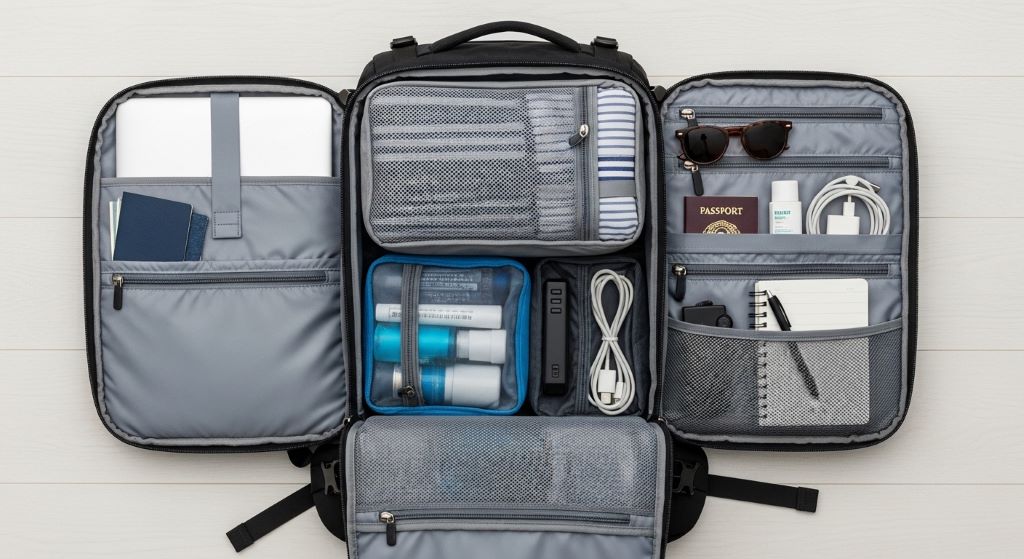
How a backpack is organized inside determines how enjoyable it is to use daily. A single large compartment sounds simple, but it makes finding things a nightmare. Look for a main compartment, a front organizational panel with smaller pockets, side water bottle pockets, and a separate sleeve for a laptop or documents.
Additionally, a clamshell opening, where the bag opens fully like a suitcase, is extremely useful for getting through airport security quickly. This layout is increasingly common in budget travel bags.
Zippers and Closures
Zippers are one of the first things to fail on a cheap backpack. Look for YKK zippers whenever possible. They are the industry standard and are known for lasting through years of heavy use. However, if a budget bag does not use YKK zippers, check whether the zipper teeth feel solid and whether the pulls are large enough to grip easily.
Carry-On Compatibility
Many budget travelers rely on carry-on-only travel to avoid checked baggage fees. Therefore, choosing a bag that fits airline size restrictions is crucial. Most airlines allow carry-on bags up to 22 x 14 x 9 inches or 56 x 36 x 23 centimeters. Measure the bag carefully before purchasing, especially if it is a soft-sided design that might expand when packed.
Building Your Travel Gear Checklist
Once you have chosen your bag, the next step is packing it wisely. A solid travel gear checklist ensures you bring what you need without overpacking. Here is a practical starting point for most trips:
- Clothing: Three to five tops, two to three bottoms, one lightweight jacket or fleece, and enough socks and underwear for the trip length.
- Footwear: One pair of walking shoes and one pair of lightweight sandals or flip-flops.
- Tech essentials: Phone, charger, universal power adapter, portable power bank, and earphones.
- Toiletries: Travel-size versions of shampoo, conditioner, body wash, toothbrush, toothpaste, deodorant, and any personal medications.
- Documents: Passport, travel insurance details, hotel or hostel confirmation printouts, and any visa paperwork.
- Packing tools: Two or three packing cubes, a reusable bag for laundry, and a small day bag or foldable tote.
This travel gear checklist covers the essentials for most travelers. Of course, your destination and trip type will require adjustments. However, starting with these basics prevents overpacking and keeps your bag manageable.
How to Evaluate Comfort Before You Buy
Comfort cannot be assessed from a product photo alone. If you are buying in person, load the bag with around ten kilograms of weight before trying it on. This simulates real travel conditions. Adjust the shoulder straps, hip belt, and sternum strap, then walk around for a few minutes.
If you are buying online, read reviews from travelers with a similar body type. Look for comments about strap comfort, back panel feel, and how the weight sits on the hips. Reviews that mention long hikes or full travel days are particularly useful.
Additionally, check the return policy before ordering. A retailer confident in their product will offer a generous return window. This gives you the freedom to test the bag properly before committing.
Top Budget Backpack Brands Worth Considering
You do not need to spend on premium brands to get a reliable travel backpack. Several brands offer excellent quality at accessible prices. Here are a few worth researching:
- Osprey: Known for ergonomic design and solid warranties. Their Farpoint and Fairview series are popular choices for budget-conscious travelers.
- Tortuga: Designed specifically for carry-on travel. Their bags are thoughtfully organized and built to last.
- Nomatic: A minimalist option with smart organizational features, popular among digital nomads and frequent flyers.
- AmazonBasics and other generic brands: These can work well for occasional travelers who need a functional bag without a big investment.
However, always read multiple reviews regardless of brand. A good brand name is not a guarantee of quality in every product line.
Smart Shopping Strategies to Save Money
Getting the best value from your purchase requires a little strategy. Here are some ways to find quality backpacks at lower prices:
- Shop during end-of-season sales. Outdoor gear brands often discount heavily at the end of summer and winter to clear inventory.
- Check outlet stores and authorized discount retailers. These often carry current-season gear at reduced prices.
- Look for last year’s models. Brands update their designs frequently, but the previous version often offers identical performance at a fraction of the new price.
- Use price tracking tools. Websites like CamelCamelCamel or Google Shopping alerts let you know when a specific product drops in price.
Additionally, consider buying a slightly used backpack from a travel community forum or marketplace. Many travelers sell barely used gear at steep discounts after a single trip.
Mistakes to Avoid When Choosing a Travel Backpack
Even careful shoppers can make avoidable errors. Here are the most common mistakes to watch out for:
Buying based on looks alone is the most frequent mistake. A sleek, stylish bag that lacks a hip belt or has poor padding will make every day of your trip uncomfortable. Function must come before aesthetics.
Choosing the wrong size is another common error. Many first-time travelers buy too large. They then feel compelled to fill every liter of space, which leads to overpacking and a heavy bag. Therefore, be honest about how much you actually need.
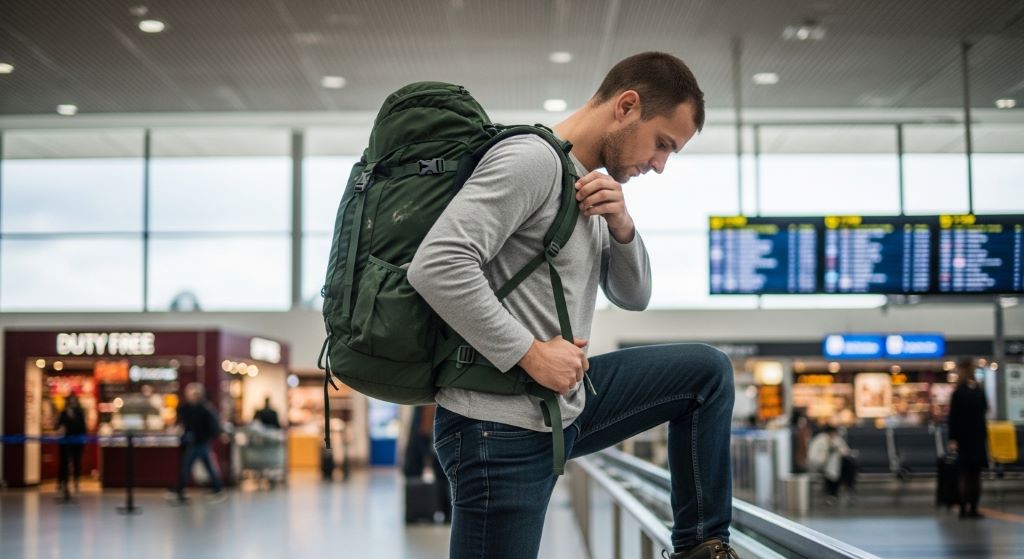
Skipping the fit adjustment is a mistake that affects comfort from day one. Every person has a different torso length and shoulder width. A bag that is not adjusted properly will sit incorrectly and cause pain. Always spend a few minutes fitting the bag to your body before your first use.
Ignoring weight is also a trap. Some bags sound affordable but weigh two kilograms or more when empty. That weight adds up quickly once packed. Try to find an empty bag weight under 1.5 kilograms for travel purposes.
Caring for Your Backpack to Make It Last
A well-maintained backpack can last for years, even on a budget. Here are some simple habits to protect your investment:
- Wipe down the exterior after dusty or dirty trips with a damp cloth.
- Reapply DWR (durable water repellent) spray periodically to maintain water resistance.
- Clean zippers occasionally with a toothbrush to remove dirt and debris. Apply a small amount of zipper lubricant to keep them running smoothly.
- Store your backpack in a cool, dry place. Avoid leaving it in direct sunlight for extended periods, as UV rays degrade fabric over time.
- Hand wash when needed using a mild detergent and warm water. Avoid machine washing unless the manufacturer specifically allows it.
These simple steps will significantly extend the life of your bag and protect every dollar you spent on it.
Conclusion
Finding the right budget travel backpack does not require compromising on quality or comfort. By focusing on the right size, a well-designed suspension system, durable materials, and smart organizational features, you can find a bag that serves you well on any adventure.
Remember to use these backpack buying tips as a framework, not a rigid rulebook. Your ideal bag depends on your trip type, travel style, and physical needs. Additionally, pairing your bag with a practical travel gear checklist ensures you pack smart and stay organized from the moment you leave home.
Shop strategically, prioritize comfort, and do not be afraid to choose an affordable brand over a famous name. The best travel backpack is ultimately the one that works perfectly for you. With the guidance in this article, you are now ready to make that choice with confidence.
Frequently Asked Questions
1. What is a good budget to spend on a travel backpack?
You can find a reliable travel backpack in the $50 to $120 range. Bags below $40 often sacrifice durability, padding quality, and zipper strength. However, you do not need to spend $200 or more unless you are doing frequent long-haul travel or technical outdoor adventures.
2. What size backpack is best for carry-on travel?
A 35 to 40-liter backpack is the sweet spot for carry-on travel. It is large enough for one to two weeks of clothing and gear while fitting within most airline size limits. Always verify the specific dimensions allowed by your airline before purchasing.
3. Is a travel backpack better than a wheeled suitcase?
It depends on your travel style. Backpacks offer more flexibility across different terrains and are easier to manage in crowded spaces. Suitcases are better for urban trips with smooth surfaces. Additionally, backpacks are generally more practical for hostel-based travel and multi-destination itineraries.
4. Do I need a separate day bag as well?
Yes, for most trips a small day bag is very useful. You do not want to carry your main bag on city explorations or hikes. A lightweight foldable tote or a compact 15 to 20-liter daypack can fold into your main bag and be pulled out when needed.
5. How do I know if a backpack fits my body correctly?
The hip belt should sit on your hip bones, not your waist. Your shoulders should carry only about 30 percent of the weight, with the rest resting on your hips. The sternum strap should sit comfortably across your chest without restricting breathing. If any straps feel painful within the first five minutes, the fit is not right.
Related Topics:
Correct Way to Wear AirPods: Tips for Comfort and Audio
Sleeping Smart After Spray Tan: Fabric Choices