

 0
0
 0
0
Are you a modern man who cares about his impact on the planet, but still wants to look sharp? The good news is, you no longer have to compromise style for sustainability. The fashion industry, historically a significant contributor to pollution and unethical labor practices, is undergoing a revolutionary shift. A new wave of eco-friendly clothing brands for men is emerging, proving that you can dress impeccably while supporting a healthier planet and a fairer society.
This isn’t just a fleeting trend; it’s a movement towards conscious consumption and a recognition of the profound impact our sartorial choices have. From the raw materials to the manufacturing processes, sustainable fashion brands are redefining what it means to be well-dressed in the 21st century.
Why Choose Sustainable Menswear? More Than Just a Trend
The allure of fast fashion – cheap, disposable garments – has come at a steep environmental and social cost. The production of traditional clothing consumes vast amounts of water, energy, and chemicals, leading to pollution of air and water, and overflowing landfills. Furthermore, the human cost is often hidden, with sweatshops and unfair labor practices being a stark reality in many conventional supply chains.
Opting for sustainable menswear offers a multitude of benefits that extend far beyond your wardrobe:
- Environmental Impact Reduction: Sustainable brands prioritize eco-friendly materials like organic cotton, recycled polyester, hemp, and bamboo. These materials require less water, fewer pesticides, and generate less waste. They also focus on water-saving production methods, natural dyes, and reduced carbon footprints. By choosing these brands, you’re directly contributing to cleaner air, healthier soil, and conserved natural resources.
- Ethical Labor Practices: True sustainable fashion isn’t just about the environment; it’s about people. Many ethical menswear brands are committed to fair trade principles, ensuring fair wages, safe working conditions, and respect for workers throughout their supply chain. This means the clothing you wear contributes to a better livelihood for those who made it.
- Durability and Longevity: Sustainable clothing is often designed to last. Brands that focus on quality materials and craftsmanship encourage a “slow fashion” approach, where garments are cherished and worn for years, reducing the need for constant replacements and further minimizing waste. This translates to a more cost-effective and timeless wardrobe in the long run.
- Health Benefits: By avoiding harmful chemicals, pesticides, and synthetic dyes, sustainable clothing can be gentler on your skin and reduce your exposure to potential toxins. This is especially relevant for everyday essentials like t-shirts and underwear.
- Supporting Innovation: Many eco-friendly clothing brands are at the forefront of textile innovation, exploring new materials and production techniques that push the boundaries of sustainability. By supporting them, you’re helping to drive positive change across the entire industry.
- Authenticity and Transparency: Sustainable menswear brands often pride themselves on transparency, openly sharing information about their sourcing, manufacturing processes, and certifications. This allows you to make informed decisions and build trust with the brands you support.
What Makes a Clothing Brand Truly Eco-Friendly? Decoding the Green Claims
Navigating the world of sustainable fashion can be complex, with terms like “eco-friendly” and “green” sometimes used for marketing rather than genuine commitment. Here’s what to look for when identifying truly sustainable clothing brands for men:
-
Sustainable Materials:
- Organic Cotton: Grown without harmful pesticides or synthetic fertilizers, it’s better for farmers, ecosystems, and your skin. Look for GOTS (Global Organic Textile Standard) certification.
- Recycled Materials: Recycled polyester (RPET) made from plastic bottles, or recycled cotton, significantly reduces waste and the need for virgin resources.
- Hemp: A highly sustainable crop that requires minimal water, no pesticides, and enriches the soil. It’s durable and softens with wear.
- Bamboo: A fast-growing, renewable resource that is naturally breathable and soft. Ensure the processing method is closed-loop to minimize chemical use.
- TENCEL™ Lyocell/Modal: Derived from sustainably sourced wood pulp, these fibers are produced in a closed-loop system, minimizing waste and water usage.
-
Ethical Production & Fair Labor:
- Fair Trade Certified™: Guarantees fair wages, safe working conditions, and community development for workers.
- Transparency: Brands should openly share information about their supply chain, from raw material sourcing to manufacturing facilities.
- Certifications: Look for certifications like SA8000 (Social Accountability) or B Corp certification, which signify a commitment to high social and environmental standards.
- Reduced Water Usage: The fashion industry is notoriously water-intensive. Sustainable brands employ water-saving technologies in dyeing and finishing processes, and prioritize materials with lower water footprints.
- Circular Fashion Principles: Brands committed to circularity design products for longevity, encourage repair and resale, and aim to keep materials in use for as long as possible, reducing waste and the demand for new resources. This includes initiatives like take-back programs for recycling.
- Low-Impact Dyes & Finishes: Avoiding harsh chemicals and opting for natural or low-impact dyes further reduces environmental pollution.
- Energy Efficiency & Renewable Energy: Sustainable brands strive to minimize their carbon footprint by using energy-efficient facilities and investing in renewable energy sources.
- Eco-Friendly Packaging: From recycled paper to biodegradable bags, packaging choices reflect a brand’s overall commitment to sustainability.
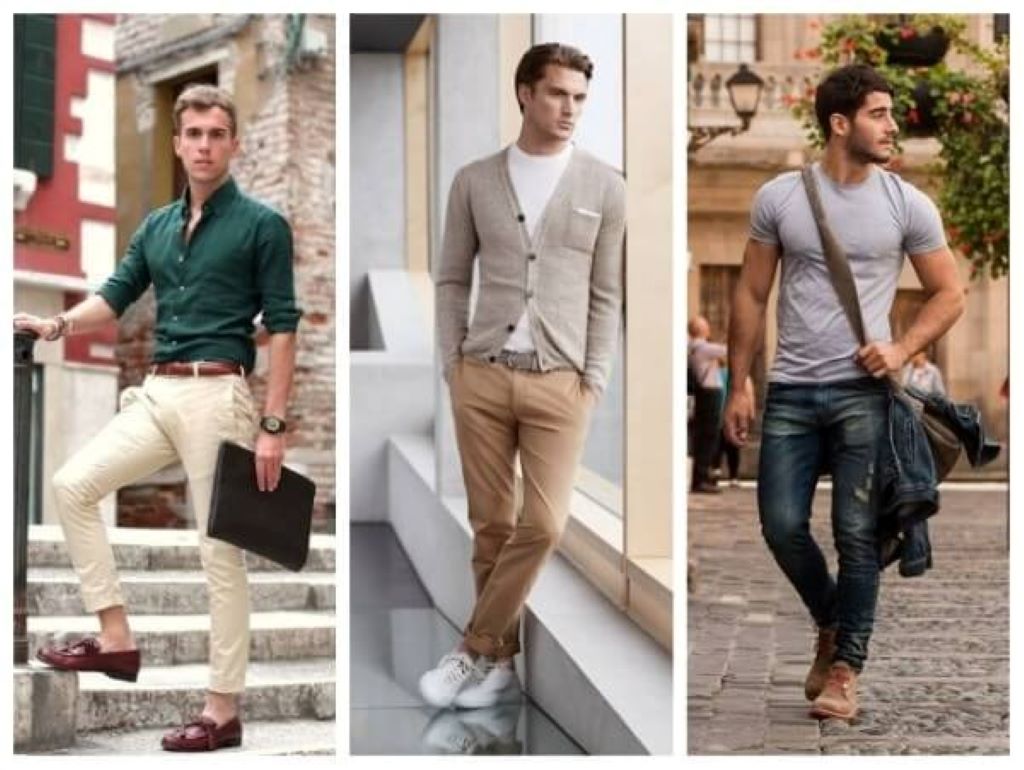
Leading the Charge: Eco-Friendly Clothing Brands for the Modern Man
The landscape of sustainable menswear is growing, offering diverse styles for every taste and need. Here are some notable brands that are making a difference:
- Patagonia: A pioneer in outdoor apparel, Patagonia has long been synonymous with environmental activism. They utilize recycled materials, organic cotton, and offer Fair Trade Certified™ products. Their “Worn Wear” program encourages repair and resale, embodying circularity.
- Tentree: For every item purchased, Tentree plants 10 trees, directly contributing to reforestation efforts. They use sustainable materials like organic cotton, recycled polyester, and TENCEL™, focusing on comfortable, casual wear.
- Kotn: Known for its soft, breathable basics, Kotn works directly with family-run farms in Egypt and Portugal to source their organic cotton, ensuring fair wages and supporting local communities. They are a certified B Corp and prioritize a transparent supply chain.
- Nudie Jeans: A leader in sustainable denim, Nudie Jeans uses 100% organic cotton and offers free lifetime repairs for their jeans, promoting longevity and reducing waste. They also have a take-back program for recycling old denim.
- Pact: Specializing in affordable and comfortable organic cotton basics, Pact is committed to ethical production in Fair Trade Certified factories. They offer a wide range of essentials from tees to underwear.
- Taylor Stitch: Combining classic American style with sustainable practices, Taylor Stitch uses responsible materials like organic cotton and hemp. They also run a “Restitch” program for repairs and resales, extending product life.
- Outerknown: Founded by surfer Kelly Slater, Outerknown focuses on laid-back, surf-inspired apparel made from sustainable fibers like organic cotton and hemp. They are committed to fair labor and circular fashion initiatives.
- Asket: This Swedish brand champions a “permanent collection” approach, focusing on timeless, high-quality essentials designed to be worn for years. They are renowned for their radical transparency, detailing the environmental impact and origins of each garment.
- Organic Basics: With sustainability at their core, Organic Basics creates comfortable underwear, basics, and activewear from carefully selected sustainable fabrics, utilizing seamless knitting for increased durability.
- Harvest & Mill: Committed to a hyper-local approach, Harvest & Mill uses only organic cotton grown and sewn in the USA, significantly reducing their carbon footprint and ensuring ethical production.
Read More: Why Is Sustainable Fashion Important?
FAQs About Sustainable Menswear
Q1: Is sustainable clothing more expensive?
While some sustainable items may have a higher upfront cost due to ethical labor, quality materials, and smaller production runs, they are often more durable and long-lasting, leading to a lower cost per wear over time. Consider it an investment in quality and a better future.
Q2: How can I be sure a brand is truly sustainable and not “greenwashing”?
Look for third-party certifications (GOTS, Fair Trade Certified, B Corp), transparent supply chain information on their website, and detailed explanations of their materials and production processes. If information is scarce or vague, it’s a red flag. Research independent reviews and sustainability reports.
Q3: What are some good alternatives to traditional cotton?
Organic cotton is a great choice. Other excellent alternatives include hemp, TENCEL™ Lyocell (made from sustainably sourced wood pulp), recycled cotton, and recycled polyester.
Q4: How can I extend the life of my sustainable clothing?
Follow care instructions diligently, wash clothes less frequently, use cold water, and air dry when possible. Repair minor damage promptly, and consider reselling or donating garments when you no longer need them.
Q5: Are there sustainable options for formal wear or specific occasions?
Absolutely! Many sustainable brands are expanding their offerings to include more tailored pieces, dress shirts, and even suits made from sustainable materials like organic wool, linen, or recycled blends. Look for brands specializing in slow fashion, which often prioritize quality and timeless designs suitable for various occasions.
Conclusion: Your Wardrobe, Your Impact
Embracing sustainable style for men is more than just a fashion choice; it’s a powerful statement about your values. By choosing eco-friendly clothing brands, you’re not only investing in a high-quality, long-lasting wardrobe, but you’re also contributing to a more ethical, environmentally responsible, and ultimately, a more sustainable future for everyone. So, go ahead, dress with purpose, and inspire others to join the movement towards a more conscious and stylish world.
Ready to transform your wardrobe? Start exploring these sustainable menswear brands today and discover how good it feels to look good while doing good.
This video provides a practical guide on upcycling men’s shirts, which aligns with the principles of sustainable fashion by promoting reuse and reducing textile waste. DIY Thrifted Shirt Upcycled – Fashion Made Easier – Mens Shirt Thrift Flip
Read More: Does H&M Have Sustainable Fashion?


