 0
0
 0
0
Traditional Mexican shawls have woven their way into modern fashion with stunning results. These beautiful textiles carry centuries of cultural heritage while adapting perfectly to contemporary style needs. Designers worldwide now embrace the vibrant patterns and luxurious fabrics that make Mexican shawls truly special.
The Rich History Behind Mexican Shawl Textiles
Mexican shawls, known as rebozos, date back to pre-Hispanic times. Indigenous communities created these versatile garments using traditional weaving techniques passed down through generations. The Spanish colonial period added new influences, blending European styles with native craftsmanship. This fusion created the distinctive aesthetic we recognize today.
Artisans originally made these shawls for practical purposes. Women used them to carry babies, protect themselves from weather, and add elegance to daily outfits. Over time, rebozos became symbols of Mexican identity and feminine grace. Each region developed unique patterns and color combinations that told stories about local traditions.
Primary Fabrics Used in Traditional Mexican Shawls
The choice of fabric significantly impacts a shawl’s appearance and functionality. Traditional Mexican shawls feature several key materials that contribute to their distinctive character.
Cotton Fabrics
Cotton remains the most common fabric for everyday rebozos. This natural fiber offers breathability and comfort in warm climates. Artisans appreciate cotton because it accepts dyes beautifully and withstands frequent washing. Additionally, cotton shawls tend to be more affordable than silk alternatives. Many contemporary designers choose cotton for casual fashion pieces that honor traditional aesthetics.
Silk Materials
Silk represents luxury in Mexican shawl production. These premium textiles shimmer with an elegant luster that elevates any outfit. Silk rebozos often feature intricate patterns created through complex weaving techniques. The fabric drapes gracefully over shoulders and catches light in mesmerizing ways. However, silk requires more delicate care than cotton varieties.
Wool and Blended Textiles
Wool shawls provide warmth for cooler regions and seasons. Mountain communities particularly favor wool rebozos for their insulating properties. Some artisans create blended fabrics that combine different fibers. These combinations balance durability, comfort, and aesthetic appeal. Modern fashion designers experiment with innovative blends that maintain traditional appearances while improving functionality.
Traditional Weaving Techniques That Define Quality
The craftsmanship behind Mexican shawls distinguishes authentic pieces from mass-produced imitations. Skilled artisans employ time-honored techniques that require years to master.
Backstrap Loom Weaving
Many traditional rebozos come from backstrap looms, ancient tools that produce exceptional textiles. Weavers attach one end of the loom to a stationary object and the other to a strap around their waist. This method allows precise tension control throughout the weaving process. The resulting fabric showcases remarkable consistency and quality. Furthermore, backstrap weaving enables intricate pattern creation that machines cannot replicate.
Ikat Dyeing Methods
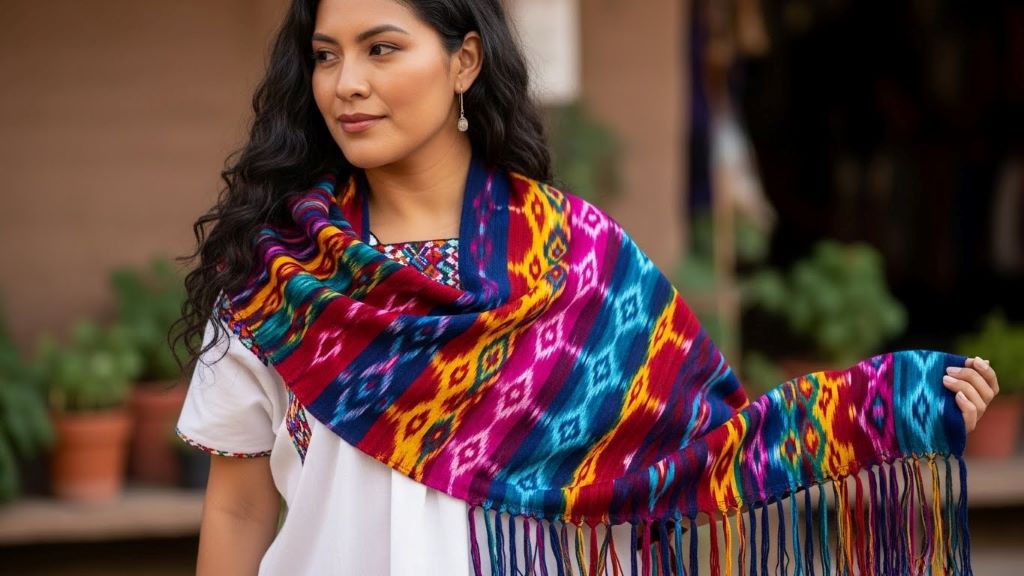
Ikat represents one of the most challenging dyeing techniques in textile production. Artisans tie and dye threads before weaving them into fabric. This process creates distinctive blurred patterns that seem to float across the material. Mexican ikat rebozos display extraordinary skill and artistic vision. Consequently, these pieces command higher prices in both traditional and fashion markets.
How Designers Incorporate Mexican Shawls into Modern Fashion
Contemporary fashion embraces Mexican shawl aesthetics in diverse and creative ways. Designers recognize the versatility and visual impact these textiles bring to their collections.
Runway Adaptations
High fashion runways increasingly feature garments inspired by traditional Mexican textiles. Designers drape rebozo-style fabrics over models in innovative configurations. Some create entire collections based on traditional patterns and color palettes. These runway pieces introduce global audiences to Mexican textile heritage. Moreover, they demonstrate how traditional crafts remain relevant in cutting-edge fashion.
Streetwear Integration
Street fashion enthusiasts adopt Mexican shawls as statement accessories. Young consumers pair traditional rebozos with jeans, t-shirts, and sneakers. This mixing of cultural elements creates fresh, personalized looks. Social media platforms showcase countless styling variations that blend Mexican heritage with urban aesthetics. Therefore, rebozos reach new audiences who might never visit traditional markets.
Sustainable Fashion Movement
The sustainable fashion movement particularly values traditional Mexican textiles. Handwoven shawls represent ethical alternatives to fast fashion products. Artisans use natural dyes and locally sourced materials whenever possible. Consumers appreciate the environmental benefits and cultural preservation aspects. Additionally, purchasing authentic rebozos directly supports indigenous communities and traditional craftspeople.
According to Vogue, Mexican textiles have gained significant recognition in sustainable fashion circles, with designers emphasizing their cultural and environmental value.
Popular Patterns and Color Schemes in Fashion
Traditional Mexican shawls feature distinctive visual elements that translate beautifully into modern design contexts.
Geometric Patterns
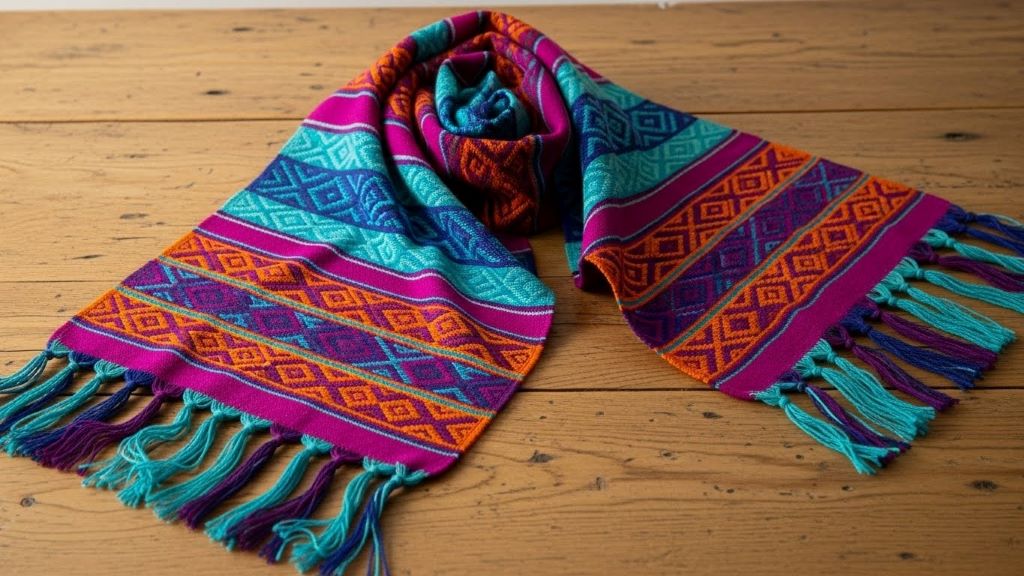
Geometric designs dominate traditional rebozo aesthetics. Diamonds, zigzags, and stepped patterns appear frequently in these textiles. These motifs carry symbolic meanings related to nature, cosmology, and community values. Fashion designers appreciate how geometric patterns complement contemporary minimalist trends. The clean lines work equally well in casual and formal settings.
Vibrant Color Combinations
Mexican shawls celebrate bold, vibrant colors that express joy and cultural pride. Deep reds, bright blues, sunny yellows, and rich purples often appear together in harmonious combinations. Traditional color choices reflect natural dye sources like cochineal insects and indigo plants. Modern fashion embraces these fearless color pairings as antidotes to neutral-dominated wardrobes. However, some contemporary interpretations use softer, more muted tones for versatile styling.
Fringe Details
The characteristic fringed edges of rebozos add movement and texture to outfits. These decorative elements require careful hand-knotting by skilled artisans. Fashion designers incorporate similar fringe details into jackets, dresses, and accessories. The playful movement of fringe creates visual interest and tactile appeal. Additionally, fringe serves as an instant identifier of Mexican textile influence.
Styling Traditional Mexican Shawls for Contemporary Looks
Integrating traditional shawls into modern wardrobes requires thoughtful styling approaches that respect cultural heritage while expressing personal style.
Casual Everyday Wear
For everyday outfits, drape a lightweight cotton rebozo over simple basics. Pair it with white jeans and a plain top for effortless elegance. The shawl becomes the focal point that elevates an otherwise understated look. You can also tie it loosely around your shoulders for a relaxed vibe. This approach works beautifully for shopping trips, coffee dates, or casual office environments.
Professional Settings
Silk or fine cotton rebozos add sophistication to professional attire. Wear one over a tailored blazer for subtle cultural expression. The rich textures and refined patterns complement business wardrobes without overwhelming them. Neutral-colored shawls with traditional patterns work especially well in conservative environments. Moreover, the quality craftsmanship signals attention to detail and appreciation for artisanal work.
Evening and Special Occasions
Formal events provide perfect opportunities to showcase luxurious silk rebozos. Drape an elegant shawl over a simple evening dress for dramatic effect. The interplay of the dress’s silhouette with the shawl’s patterns creates visual intrigue. Traditional rebozos also serve as conversation starters that share cultural stories. Therefore, wearing them to special occasions celebrates heritage while looking absolutely stunning.
Supporting Artisan Communities Through Fashion Choices
Purchasing authentic traditional Mexican shawls creates positive impacts beyond personal style benefits.
Economic Empowerment
Direct purchases from artisan cooperatives provide fair compensation for skilled craftspeople. Many weavers work in rural communities with limited economic opportunities. Income from textile sales helps families afford education, healthcare, and improved living conditions. Fashion consumers can make meaningful differences through thoughtful purchasing decisions. Additionally, successful sales encourage younger generations to learn traditional crafts.
Cultural Preservation
The market demand for traditional shawls helps preserve endangered weaving techniques. When artisans earn sustainable incomes, they continue practicing their crafts. This ongoing production keeps cultural knowledge alive for future generations. Fashion trends that embrace traditional textiles validate the importance of indigenous artistic traditions. Consequently, communities maintain pride in their cultural heritage.
The Smithsonian Magazine has documented how global interest in traditional textiles helps preserve indigenous weaving techniques across Mexico.
Care and Maintenance of Traditional Shawl Fabrics
Proper care ensures traditional Mexican shawls remain beautiful for years or even generations.
Cleaning Guidelines
Hand washing works best for most traditional rebozos. Use cool water and gentle, pH-neutral soap to preserve colors and fibers. Avoid harsh detergents that can damage natural dyes and delicate weaving. Silk shawls may require professional dry cleaning to maintain their luster. Always check with the artisan or seller for specific care recommendations based on the particular textile.
Storage Recommendations
Store shawls folded loosely in breathable fabric bags or acid-free tissue paper. Avoid plastic bags that can trap moisture and promote mildew growth. Keep textiles away from direct sunlight, which fades natural dyes over time. Cedar chips or lavender sachets naturally repel moths without chemical treatments. Proper storage protects your investment and preserves cultural artifacts.
Conclusion
Traditional Mexican shawl fabrics have earned their place in contemporary fashion trends through timeless beauty and versatile styling options. These textiles carry rich cultural histories while adapting perfectly to modern aesthetic sensibilities. From backstrap loom weaving to natural dyeing techniques, the craftsmanship behind authentic rebozos represents extraordinary skill and artistic dedication. Designers worldwide now incorporate these traditional patterns, colors, and fabrics into runway collections and everyday wear. By choosing authentic traditional shawls, fashion consumers support artisan communities, preserve endangered crafts, and celebrate cultural heritage. Whether styling a casual weekend outfit or dressing for formal occasions, Mexican shawls add distinctive elegance and meaningful cultural connections. The growing appreciation for these textiles within sustainable fashion movements ensures their continued relevance for generations to come.
Frequently Asked Questions
What is the difference between a rebozo and a regular shawl?
A rebozo is a traditional Mexican shawl with specific weaving techniques, patterns, and cultural significance. Unlike regular shawls, authentic rebozos feature characteristic fringed edges created through intricate hand-knotting and are woven using traditional looms. They serve multiple practical and ceremonial purposes in Mexican culture beyond simple warmth or decoration.
How can I tell if a Mexican shawl is authentically handmade?
Authentic handmade shawls show slight irregularities in weaving that indicate human craftsmanship. Look for natural fiber content, hand-knotted fringe, and traditional patterns. Machine-made versions appear perfectly uniform with synthetic materials. Purchasing directly from artisan cooperatives or reputable fair-trade sources guarantees authenticity.
Are traditional Mexican shawls suitable for all seasons?
Yes, different fabric weights make Mexican shawls appropriate for various seasons. Lightweight cotton rebozos work beautifully in warm weather, while wool versions provide insulation during cooler months. Silk shawls offer versatile comfort across multiple seasons. Choose fabric weight based on your climate and intended use.
How much should I expect to pay for an authentic traditional Mexican shawl?
Authentic handwoven rebozos typically range from fifty dollars for simple cotton versions to several hundred dollars for intricate silk pieces. Complex patterns, rare natural dyes, and exceptional craftsmanship increase value. Prices reflect the significant time and skill required for traditional production. Fair pricing ensures artisans receive appropriate compensation.
Can I wear a traditional Mexican shawl if I’m not Mexican?
Yes, wearing traditional Mexican shawls respectfully appreciates and celebrates cultural artistry. Purchase authentic pieces from indigenous artisans to support communities rather than buying mass-produced imitations. Learn about the cultural significance and share that knowledge when others admire your shawl. Respectful appreciation differs from appropriation when it honors origins and supports creators.
Related Topics:
Best BBQ Outfit Ideas for Summer Grilling | Stylish & Comfortable Looks
Find the Perfect Free Knit Dishcloth Pattern Today!