
 0
0
 0
0
Getting dressed should feel easy. Yet many people walk out the door wearing clothes that simply do not fit well. The result? An outfit that looks off, no matter how stylish the pieces are. The good news is that one simple rule can fix almost every fit-related fashion mistake: not too tight, not too baggy. This guide will walk you through everything you need to know about wearing clothes that actually fit your body.
Why Fit Matters More Than Style
You can spend a lot of money on designer clothes. However, if those clothes do not fit your body correctly, they will never look good. Fit is the foundation of every great outfit. It does not matter if you are dressing for a job interview, a dinner date, or a casual Sunday outing. The way your clothes fit shapes how others see you and, more importantly, how you feel about yourself.
A well-fitted outfit can make an inexpensive piece look expensive. On the other hand, a poorly fitted garment can make even the most luxurious fabric look sloppy. Therefore, understanding how clothes should sit on your body is the single most important fashion skill you can develop.
Understanding the “Not Too Tight, Not Too Baggy” Rule
This rule is simple in theory but takes a little practice in real life. The idea is that your clothes should follow the natural lines of your body without clinging to every curve or drowning you in extra fabric.
Too-tight clothing restricts movement, creates unflattering lines, and often draws attention to areas you may not want to highlight. Too-baggy clothing, meanwhile, hides your shape entirely and can make you appear much larger or shorter than you actually are. The sweet spot lies in the middle. Your clothes should allow you to move freely while still showing that there is a person wearing them.
Think of it this way: your clothes should be your second skin, not a bandage and not a tent.
Common Fashion Mistakes and How to Fix Them
Shirts and Tops That Are Too Tight
A shirt that is too tight will pull across the chest and shoulders. You may notice horizontal lines forming when you button it up. The fabric should lie flat against your body, not stretch. If you see pulling or puckering, go up a size.
Additionally, check the shoulder seams. They should sit right at the edge of your shoulder — not hanging down your arm and not cutting into your neck. This is one of the easiest ways to tell if a shirt truly fits.
Shirts and Tops That Are Too Baggy
Baggy shirts make the torso look shapeless. Many people choose oversized tops because they feel more comfortable. However, there is a difference between intentionally oversized and simply too big. If your shirt billows out at the sides when you stand up straight, it is likely too large. Try sizing down, or look for a slim-fit or regular-fit version of the same style.
Pants That Are Too Tight
Tight pants are uncomfortable and unflattering. Look out for pulling at the thighs, a gap at the waistband in the back, or fabric that bunches between your legs when you walk. These are all signs that your pants are too small in the seat or thigh area. Many brands now offer different cuts — slim, straight, relaxed — so you can find a pair that fits your proportions without going up in the waist.
Pants That Are Too Baggy
Overly baggy trousers can look dated and can shorten your legs visually. Excess fabric around the thigh and knee area is the main sign. The trouser leg should have a clean, unbroken line from hip to hem. Additionally, the crotch of the pants should not hang several inches below your natural seat. A slight drape is fine, but a drooping silhouette rarely looks intentional.
Jackets and Blazers
A blazer should allow you to button it without strain. The lapels should lie flat. The shoulder seam, again, should sit right at your shoulder edge. If the jacket pulls across the back when your arms are at your sides, it is too small. If the shoulders extend past your actual shoulder line, it is too large.
Furthermore, pay attention to sleeve length. Your shirt cuff should peek about half an inch below the blazer sleeve. This small detail makes a big difference in how polished your overall look appears.
Dresses and Skirts
A dress that is too tight across the hips will ride up every time you take a step. A dress that is too large will hang unevenly and lose its intended shape. The waistline of a dress should hit at or near your natural waist unless the design calls for something different. Similarly, a skirt should sit smoothly over your hips without tugging or twisting to one side.
How to Shop for the Right Fit
Always Try Before You Buy
Sizing varies enormously between brands. A size medium in one store can be the equivalent of a large in another. Therefore, never assume your usual size will fit without trying it on first. When shopping online, check the brand’s size chart and measure yourself at home with a tape measure.
Know Your Measurements
Take three key measurements: your chest or bust, your natural waist, and your hips. Write these down and keep them handy when you shop. This habit alone will save you from countless fitting-room frustrations.
Consider Tailoring
Even off-the-rack clothing can look custom-made with a few simple alterations. A tailor can take in a waist, shorten a hem, or slim down a sleeve for a relatively small cost. This investment transforms a good-enough garment into something that looks like it was made specifically for you.
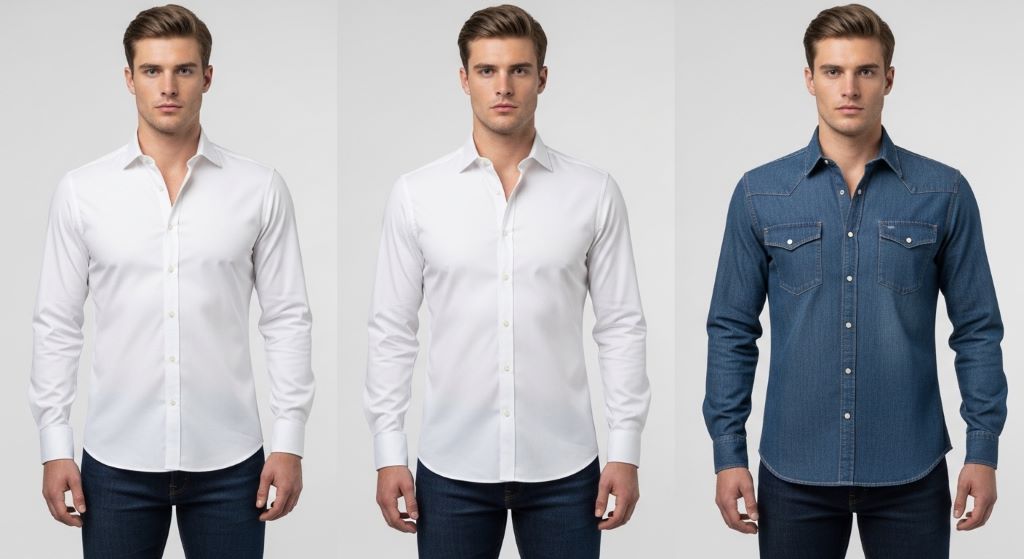
Dressing for Your Body Shape
The not-too-tight, not-too-baggy rule applies to everyone, but the specific cuts that work best will vary. Someone with broad shoulders might find that slightly relaxed tops balance their frame better. Someone with a petite frame might find that slim-cut trousers elongate their legs.
However, the goal is never to hide your body. The goal is to dress it in a way that feels comfortable and intentional. There is no universal body type that looks best in all styles. What matters is that the proportions of your outfit work together and that the fit is clean and considered.
Quick Fit Checklist Before You Leave the House
Before heading out, run through this quick checklist:
- Can you raise your arms above your head without your shirt untucking or pulling?
- When you sit down, do your trousers feel comfortable without cutting in at the waist?
- Are your shoulder seams sitting at the edge of your shoulder?
- Does your jacket button without straining?
- Is there unwanted pulling, puckering, or bunching anywhere?
If you answered yes to any of the last three prompts, something likely needs adjusting.
Conclusion
Great style does not require a big budget or a complicated wardrobe. It starts with one rule: wear clothes that fit. The not-too-tight, not-too-baggy approach is the simplest and most effective fashion principle there is. When your clothes fit well, you look put-together, feel confident, and carry yourself differently.
Therefore, the next time you are shopping or standing in front of your wardrobe, ask yourself one question before anything else: does this actually fit? If the answer is yes, you are already ahead of most people. Focus on fit first, and style will follow naturally.
Frequently Asked Questions
How do I know if my clothes fit correctly?
Your clothes fit well when the shoulder seams sit at the edge of your shoulder, there is no pulling or puckering across the chest or seat, and you can move freely without the fabric stretching or bunching. A well-fitted garment follows the shape of your body without clinging tightly or hanging loosely.
Is it better to size up or size down when between sizes?
It depends on the garment. For structured pieces like blazers and dress shirts, it is generally better to size up and then have a tailor take it in. For stretchy fabrics like knits or jersey, sizing down slightly can give a cleaner look. Always consider where the fit matters most — for example, shoulder seams on a jacket cannot easily be altered.
Can baggy clothes ever look stylish?
Yes, intentionally oversized silhouettes can be very fashionable. The key word is intentional. When you deliberately pair a relaxed, oversized top with slim trousers, the contrast creates balance. However, this is different from simply wearing clothes that are too large. Purposeful proportion is what separates a stylish oversized look from a sloppy one.
How much does tailoring typically cost?
Basic alterations like hemming trousers or taking in a waist usually cost between $10 and $40, depending on your location and the complexity of the work. More involved changes, such as restructuring a jacket’s shoulders, can cost more. However, for pieces you love and wear often, tailoring is almost always worth the investment.
Does the not-too-tight, not-too-baggy rule apply to all clothing styles?
The principle applies broadly, but the definition of “right fit” changes with style. A relaxed-fit linen shirt is meant to drape loosely — that is its intended silhouette. A tailored dress shirt, however, should fit more precisely. Always consider the intended fit of the garment and judge whether your size achieves that look properly.
Related Topics:
How Soft Cushioned Running Shoes Help Prevent Foot Fatigue
How to Style a Satin Maxi Dress for Summer Weddings