0
0
 0
0
Why Antique Jewelry is the New Smart Investment
In a world driven by fast fashion and fleeting trends, few things hold their value—both sentimental and financial—like antique jewelry. From Art Deco brooches to Victorian lockets, antique pieces are more than adornments; they’re time capsules, telling stories of craftsmanship, culture, and legacy. As modern consumers become increasingly interested in sustainable luxury and meaningful investments, antique jewelry emerges not only as a beautiful accessory but also as a tangible asset and cherished heirloom for generations to come.
Whether you’re a collector, a conscious shopper, or someone looking to leave a lasting gift, investing in antique jewelry offers a blend of emotional richness and long-term value. In this guide, we’ll explore how antique jewelry is redefining modern heirlooms, why it makes a savvy investment, and how to choose pieces that will appreciate in both sentiment and value.
What Is Antique Jewelry? Understanding the Basics
Antique jewelry refers to pieces that are at least 100 years old. Unlike vintage jewelry (20–99 years old), antique items are rarer and often handcrafted with techniques no longer in use. These timeless creations usually belong to historical periods such as:
- Georgian (1714–1837)
- Victorian (1837–1901)
- Edwardian (1901–1915)
- Art Nouveau (1890–1910)
- Art Deco (1920–1939)
Each era reflects distinct motifs, materials, and craftsmanship, offering collectors a glimpse into the artistic and social values of its time.
Why Invest in Antique Jewelry?
-
Tangible Value That Appreciates Over Time
Unlike modern jewelry, which often depreciates once it leaves the store, antique pieces tend to increase in value, particularly if they are rare, in excellent condition, and have historical significance.
-
Sustainable and Eco-Friendly
In an era of fast fashion and environmental consciousness, antique jewelry provides a sustainable alternative. It eliminates the need for new mining and production, thereby reducing environmental impact.
-
Unique and One-of-a-Kind
Each antique item carries a distinct design, often handcrafted by skilled artisans. You’re unlikely to find another identical piece, giving it unmatched uniqueness and personal value.
-
Heirloom Potential
By investing in antique jewelry, you’re not just purchasing a piece for yourself—you’re acquiring a legacy item that can be passed down, complete with its stories and sentimental worth.
How to Start Investing in Antique Jewelry
-
Educate Yourself
Before making any purchase, study the different eras, styles, and hallmarks. Learn to distinguish between authentic antique pieces and reproductions. Resources like collector’s guides, museum archives, and reputable dealer blogs can be immensely helpful.
-
Work with Trusted Dealers and Appraisers
Authenticity is crucial. Always buy from reputable antique jewelry dealers or certified auction houses. Ensure that items come with proper documentation and, ideally, third-party appraisals.
-
Focus on Craftsmanship and Condition
Inspect each piece for craftsmanship, originality, and wear. Minor signs of age are normal, but extensive restoration or missing elements can significantly impact value.
-
Understand Market Trends
Some periods and styles are more in demand than others. For example, Art Deco and Edwardian jewelry have been especially popular with collectors and investors in recent years.
Types of Antique Jewelry That Make Great Investments
-
Engagement Rings
Antique engagement rings, especially those featuring Old Mine or European cut diamonds, offer exceptional charm and are increasingly popular with modern brides seeking something different from mass-produced styles.
-
Lockets and Cameos
Victorian-era lockets and carved cameos are not only sentimental but often crafted with high-quality gold or shell, adding to their long-term investment appeal.
-
Brooches and Pins
Once considered old-fashioned, vintage brooches are making a comeback as versatile accessories. Look for enamel work, gemstones, and unique motifs for greater value.
-
Signed Pieces
Jewelry by known makers like Cartier, Tiffany & Co., or Fabergé always carries premium resale value due to brand prestige and proven authenticity.
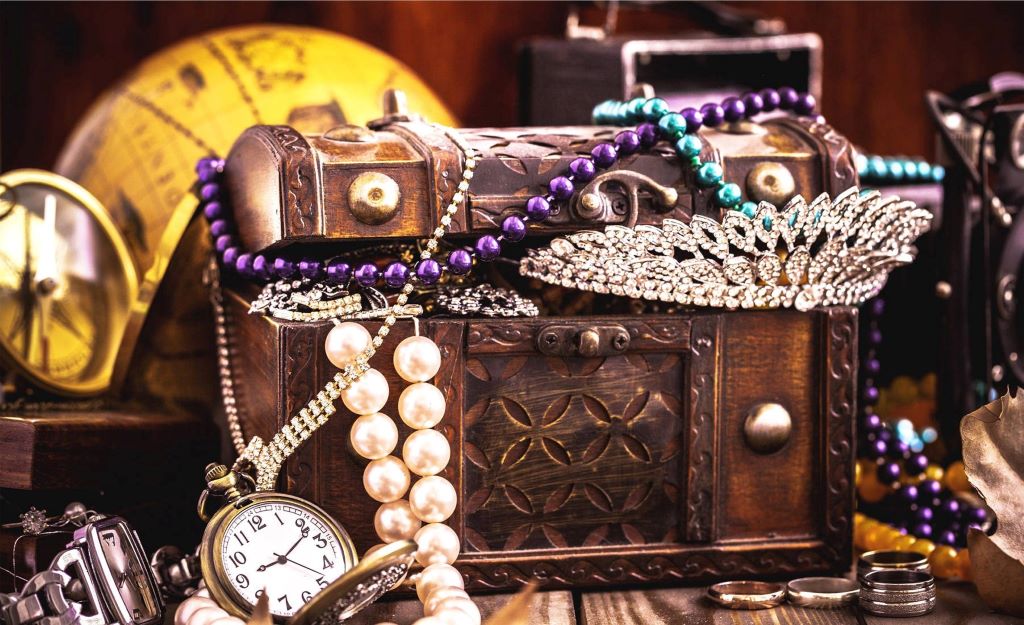
Preserving Antique Jewelry for Future Generations
If your goal is to pass your antique jewelry on to your children or grandchildren, proper care and storage are essential.
Best Practices Include:
- Store in a dry, dark place, preferably in a fabric-lined jewelry box.
- Clean gently using a soft brush and mild solution; avoid ultrasonic cleaners unless professionally advised.
- Get regular appraisals to ensure current valuation for insurance and inheritance purposes.
- Document the history—include receipts, appraisals, and even a note about how you acquired the piece. This adds sentimental and historical value.
Emotional Value: The True Essence of a Modern Heirloom
Beyond investment and beauty, antique jewelry represents a living memory. A locket worn by a grandmother, a brooch gifted on a wedding day, or a ring passed through generations becomes a narrative thread connecting family members across time.
In today’s digital age, where most gifts and possessions are transient or virtual, an antique jewelry heirloom holds enduring emotional power. Gifting such a piece can mark milestones—birthdays, weddings, graduations—with a legacy that far outlasts any store-bought item.
Frequently Asked Questions (FAQs)
Q: Is antique jewelry a good investment compared to gold or stocks?
A: While gold and stocks are more liquid assets, antique jewelry combines the security of a tangible asset with the emotional and aesthetic appeal of wearable art. Its value can appreciate significantly over time, especially with rare or signed pieces.
Q: How do I know if a piece is truly antique?
A: Look for hallmarks, maker’s marks, and signs of hand craftsmanship. Buying from certified dealers and obtaining an independent appraisal can verify authenticity.
Q: Will wearing antique jewelry damage it?
A: Occasional wear is fine if the piece is in good condition. However, for delicate or older items, it’s best to limit exposure to chemicals, water, and extreme temperatures.
Q: Can antique jewelry be insured?
A: Absolutely. Most insurance companies offer valuable personal property policies that can cover antique jewelry with a proper appraisal.
Q: Are antique jewelry pieces customizable?
A: While it is possible to customize, altering antique jewelry may reduce its value. Always consult an expert before making any modifications.
Final Thoughts: A Gift That Transcends Time
Investing in antique jewelry isn’t just about financial gain—it’s about preserving history, promoting sustainability, and creating legacies. These timeless pieces connect the past with the present and future, offering an unmatched blend of beauty, authenticity, and emotional depth.
In a culture that often values the new over the meaningful, antique jewelry reminds us that the best things in life are not fleeting—they’re enduring.
Call to Action (CTA):
Ready to begin your journey with antique jewelry?
Explore curated collections from certified dealers, schedule a personal consultation with a jewelry historian, or start documenting your family heirlooms today. Whether you’re building a legacy or seeking a one-of-a-kind piece, let antique jewelry be your bridge to the future.
👉 Start your collection today and turn history into heritage.
Read More:
Why Is Sustainable Fashion Important?
Sustainable Affordable Fashion: The Future of Style