 0
0
 0
0
Watching your hair thin out can feel like a silent confidence killer. You start avoiding mirrors, worrying about the top of your head, and wondering if expensive treatments are the only way out. The truth is, you don’t need a dermatologist’s prescription cream or a $3,000 hair transplant to see real improvement. By focusing on proven, low-cost interventions, you can regrow thinning hair on a budget without sacrificing results. This guide walks you through actionable steps—from affordable supplements to scalp care routines—that respect your wallet and your hair.
What Actually Causes Hair Thinning in the First Place?
Hair thinning happens when your hair follicles shrink over time, produce thinner strands, or stop producing hair altogether. Understanding the root cause is your first step toward an effective solution.
Genetics and Hormonal Shifts
Androgenetic alopecia, or male and female pattern baldness, is the most common culprit. It is driven by a sensitivity to dihydrotestosterone (DHT), a hormone that attacks hair follicles. For many, this process starts as early as the late twenties. Knowing this helps you target DHT-blocking strategies rather than wasting money on generic shampoos.
Nutritional Deficiencies
Low iron, vitamin D, zinc, and biotin levels are frequently overlooked causes of thinning hair. A simple blood test can reveal deficiencies that are easy and cheap to correct through diet or basic supplements. You might be spending on fancy serums when a $10 bottle of iron tablets could solve the problem.
Chronic Stress and Lifestyle Factors
Telogen effluvium, a temporary condition where hair sheds excessively, often follows a major illness, surgery, or prolonged stress. This type of thinning is reversible once you address the stressor. The good news? Managing stress costs nothing—sleep, hydration, and mindful breathing are free.
How Can You Regrow Thinning Hair Without Expensive Products?
You do not need a shelf full of luxury bottles to see regrowth. The most effective tools are often simple, affordable, and backed by science.
Scalp Massage and Microneedling at Home
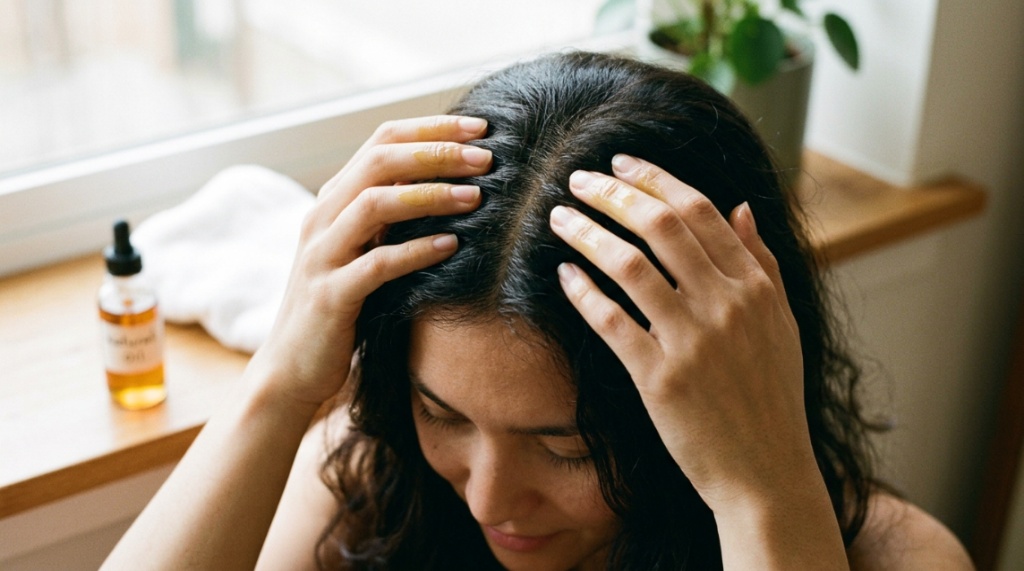
Regular scalp massage increases blood flow to the follicles, delivering oxygen and nutrients. A five-minute daily massage using your fingertips costs nothing and has been shown to thicken hair over several months. For even better results, a derma roller (available for under $15) creates micro-injuries that stimulate collagen production and product absorption. This is a proven, low-cost intervention.
Budget-Friendly Hair Growth Serums That Work
You do not have to buy the most expensive brand to get results. Many affordable serums contain minoxidil, peptides, or natural DHT blockers like saw palmetto. When looking for a budget option, check the ingredient list rather than the price tag. By choosing wisely, you can regrow thinning hair with budget-friendly products that deliver real results without breaking the bank.
Simple Dietary Changes That Cost Almost Nothing
Eating for hair health does not mean buying expensive superfoods. Focus on eggs (biotin and protein), spinach (iron and vitamin C), nuts and seeds (zinc and vitamin E), and citrus fruits (collagen support). These items are staples in most kitchens. A handful of walnuts or a spinach omelet is cheap preventive medicine for your follicles.
When Should You Start Seeing Results from Budget Treatments?
Hair grows slowly, so patience is non-negotiable. Realistic expectations prevent you from giving up too early or switching products too often.
The 3-Month Milestone
Most treatments require at least three months before you notice new growth. Minoxidil, for example, typically shows results in 12 to 16 weeks. In the first month, you might actually see increased shedding as old hairs make way for new ones. This is a good sign, not a failure.
Signs of Progress You Can Track
Look for small victories: less hair in your shower drain, shorter or softer hairs appearing at your hairline, or a slight increase in density when you pull your hair back. Take monthly photos in consistent lighting to compare objectively rather than relying on memory.
Taking care of yourself extends beyond your daily hair care routine—whether you are prepping a natural scalp treatment at home or styling your favorite pearl drop earrings for a wedding ceremony for an upcoming special event, confidence starts with the details.
When to Consider Professional Help
If you see no improvement after six months of consistent effort, or if thinning accelerates, you may need a professional diagnosis. Some conditions like alopecia areata or scarring alopecia require medical intervention. But for most people with common pattern thinning, at-home methods work fine.
Which Affordable Ingredients Actually Stimulate Hair Regrowth?
Not all ingredients are created equal. Some are backed by decades of research, while others are just marketing hype. Focus on what science supports.
Minoxidil: The Gold Standard on a Dime
Minoxidil is the only over-the-counter ingredient FDA-approved for hair regrowth. Generic versions are available for as little as $6 per month. It works by prolonging the growth phase of hair follicles and increasing blood flow. Consistency is key—once you stop, any gains will reverse within a few months.
Natural DHT Blockers: Saw Palmetto and Pumpkin Seed Oil
Saw palmetto supplements can inhibit the enzyme that converts testosterone to DHT. Pumpkin seed oil has shown similar effects in early studies. Both are inexpensive compared to prescription medications like finasteride. Look for 400-500 mg saw palmetto capsules or cold-pressed pumpkin seed oil for topical use.
Essential Oils for Scalp Health
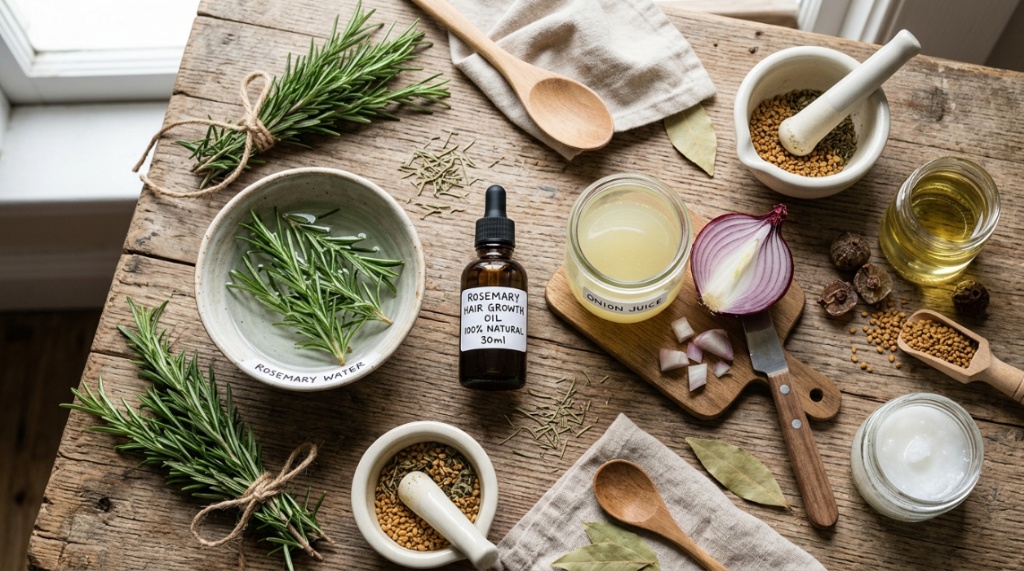
Rosemary oil has been shown to be as effective as minoxidil in some studies, likely due to its anti-inflammatory and circulation-boosting properties. Peppermint oil also increases blood flow. Mix a few drops with a carrier oil like jojoba or coconut for a cheap weekly scalp treatment.
How to Build a Low-Cost Weekly Hair Care Routine
Consistency matters more than complexity. A simple, repeatable routine is better than an elaborate one you cannot maintain.
Daily Actions That Take Two Minutes
Start with a brief scalp massage when you apply your serum or oil. Use your fingertips in circular motions for two minutes. This costs nothing and improves absorption. Avoid washing your hair every day if possible to preserve natural oils.
Weekly Power Steps
Once a week, use a derma roller (0.5 mm needles) on a clean, dry scalp. Roll in vertical, horizontal, and diagonal patterns for two minutes. Follow with your serum or oil—the microchannels increase absorption significantly. Rinse with diluted apple cider vinegar once a month to remove product buildup without harsh shampoos.
Products You Can Skip
You do not need expensive shampoos, volumizing sprays, or keratin treatments to regrow hair. In fact, many of these contain sulfates and silicones that dry out the scalp or clog follicles. Stick to a simple, sulfate-free shampoo and focus your routine on the scalp rather than the strands.
Can Diet Alone Reverse Thinning Hair on a Budget?
Diet can support regrowth, but it cannot reverse genetic hair loss on its own. However, correcting deficiencies can dramatically improve hair density without any other intervention.
Key Nutrients You Need Weekly
Track your intake of iron, zinc, protein, and vitamin D. If you are vegetarian, you are more likely to be low in iron and zinc. Consider adding a multivitamin that covers these bases. A good hair-focused multivitamin costs around $15–$20 per month and fills nutrient gaps cheaply.
Foods That Offer the Most Bang for Your Buck
Eggs, lentils, pumpkin seeds, and leafy greens are nutrient-dense and low-cost. A can of lentils costs less than a dollar and provides protein, iron, and zinc. Citrus fruits add vitamin C to improve iron absorption. This approach is cheaper than most serums and supports overall health as well.
Supplements That Actually Help (Without Breaking the Bank)
Focus on three: vitamin D (if deficient), zinc (if diet is low), and iron (if levels are below normal). Biotin is popular but only helps if you are deficient, which is rare. Buy generic or store-brand supplements rather than expensive hair-focused blends—the active ingredients are identical.
Is Stress Management a Free Tool for Hair Regrowth?
Yes, managing stress is one of the most effective and least expensive ways to stop and reverse certain types of hair thinning. It addresses the root cause rather than just symptoms.
The Hair-Stress Connection Explained
When you are under chronic stress, your body produces more cortisol. This hormone can push hair follicles into a resting phase, triggering shedding that begins two to three months after the stressful event. Reducing stress stops the cycle before it worsens.
Zero-Cost Stress Reduction Techniques
Deep breathing exercises, a 10-minute daily walk, and prioritizing sleep are free and scientifically proven to lower cortisol. Consistency with sleep—seven to eight hours per night—alone can improve hair health significantly. Consider it a free treatment with no side effects.
When Stress-Related Thinning Requires Extra Help
If your shedding started after a major life event and has not stopped after six months, see a doctor. But in most cases, lifestyle adjustments are enough. Add the free tools before spending money on additional products.
Frequently Asked Questions
Can I regrow thinning hair without using minoxidil?
Yes, you can. Scalp massage, better nutrition, stress reduction, and natural ingredients like rosemary oil have all shown results. However, minoxidil remains the most consistently effective over-the-counter option if you want reliable results.
How much should I spend monthly on hair regrowth products?
You can effectively regrow hair for under $20 per month. A generic minoxidil bottle costs about $6, a derma roller is a one-time $10 investment, and a bottle of saw palmetto costs roughly $10 per month. Skip expensive shampoos and focus that money on proven treatments.
Will hair regrow naturally once the cause is addressed?
Often, yes. If thinning is due to a nutrient deficiency, stress, or temporary illness, correcting the underlying cause can restore growth within three to six months. Genetic thinning is less reversible but can be slowed and sometimes partially reversed with consistent effort.
Are expensive hair growth serums better than budget ones?
Not necessarily. Many expensive serums rely on the same active ingredients as cheaper options. The key is comparing ingredient lists. Pay for active components like minoxidil, peptides, or saw palmetto extract—not for fancy packaging or celebrity endorsements.
Can I use essential oils on my scalp every day?
It is best to dilute essential oils like rosemary or peppermint with a carrier oil before applying. Daily use is safe as long as your skin does not react. Start with twice a week to test sensitivity, then gradually increase if no irritation occurs.
How do I know if my hair thinning is reversible?
If you still have fine, vellus hairs (very thin, barely visible hairs) in the thinning areas, there is a good chance of regrowth. A completely smooth, shiny scalp with no visible follicles usually indicates permanent damage. A simple magnifying mirror can help you check this at home.
What is the single cheapest thing I can do to help my hair?
Daily scalp massage. It costs nothing, takes two minutes, and increases blood flow to the follicles. Combined with a healthy diet and adequate sleep, it is the most cost-effective step you can take for hair health.