 0
0
 0
0
You’ve booked the flights, scouted the hostels, and cleared your calendar. But when you stare at your closet, a familiar dread creeps in: you have nothing to carry it all in. Buying a new bag should be exciting, but the market is flooded with overpriced hypebeast gear and flimsy $40 specials that fall apart at the first cobblestone street. You need something tough, practical, and budget-friendly. You need an affordable travel backpack that pulls double duty as a carry-on backpack, saving you from baggage fees and crowded carousels. The problem isn’t finding a backpack—it’s finding the right one without wasting cash or time. Here is exactly how to cut through the noise, pick a winner, and keep your wallet intact.
What Makes a Backpack Both Affordable and Durable?
Affordability does not mean flimsy. A truly budget-friendly travel backpack prioritizes smart material choices and simplified design over luxury branding. Look for 600-denier or 900-denier polyester or nylon instead of expensive Cordura or Dyneema. These fabrics resist tears and moderate rain without breaking the bank. Reinforced stitching at stress points (shoulder straps, zipper seams) matters more than the fabric name. Metal zippers—even YKK replicas—outperform cheap plastic every time. A bag that costs under $100 but has a solid warranty or a known manufacturing partner is often more durable than a flashy $150 bag from a new Instagram brand. Test the zippers and strap padding in-store or read verified photos online before committing.
Which Size Carry-On Backpack Fits Most Airlines This Year?
Stick to 40 to 45 liters total volume for unrestricted global carry-on compliance. International airlines vary slightly, but the universal safe zone is 22 x 14 x 9 inches (56 x 36 x 23 cm). Budget carriers like Ryanair, EasyJet, and Spirit enforce these dimensions strictly. If you plan to use your affordable travel backpacks as a personal item, drop down to 25-30 liters (18 x 14 x 8 inches). Measure your bag packed, not empty—overstuffing an overhead bin can get you gate-checked. A “clamshell” opening (fully unzips like a suitcase) makes packing easier and helps you stay under weight limits without digging through layers.
Why 40 Liters Is the Sweet Spot
Forty liters offers enough room for 5-7 days of clothing plus toiletries, electronics, and a light jacket. It forces you to pack smart without needing a separate daypack. Most 40L backpacks weigh under 3.5 pounds empty, leaving your full weight allowance for gear. Anything larger (50L+) will likely be checked or flagged at the gate, costing you time and money.
How Do I Know If the Straps and Back Panel Are Comfortable?
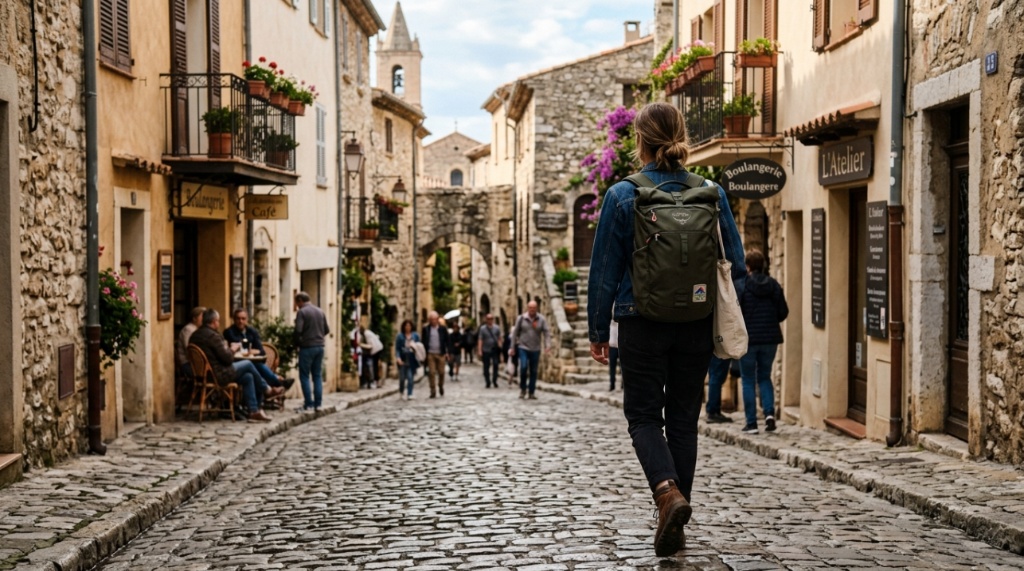
Comfort comes from load distribution, not just padding thickness. Look for an adjustable sternum strap (clips across your chest) and a removable or stowable hip belt. A hip belt transfers up to 40% of the weight from your shoulders to your hips—critical if you walk more than 20 minutes with your bag. The back panel should have foam channels or mesh ventilation to prevent sweat buildup. Test the bag with 15 pounds inside before buying. If the straps dig into your collarbone or the bag sags away from your lower back, it will hurt on day three of your trip. Budget bags often skimp on hip belts—make sure yours has one, even if thin.
What Features Are Non-Negotiable for a Travel Backpack?
You don’t need every gadget imaginable, but skipping these five features will frustrate you later:
- Hidden security pocket: Stow passport and backup cash against your back, accessible only when you take the bag off.
- Lockable zippers: Two zipper pulls that meet so you can slide a small TSA-approved lock through them.
- Laptop compartment: Padded sleeve that fits a 15-inch laptop, accessible from the side or top without opening the main compartment.
- Compression straps: External straps that cinch the bag tighter when it is partially full, keeping contents stable.
- Water bottle pocket: Stretch mesh or fabric pocket on the side that holds a 32 oz bottle securely without bulging.
Anything beyond these (shoe compartments, built-in rain covers, USB charging ports) is a nice bonus, not a necessity. A USB port adds weight and a failure point; bring a portable power bank instead.
Can an Affordable Travel Backpack Really Last Multiple Years?
Yes, if you choose wisely and maintain it. A $60 to $100 backpack from a reputable budget brand (like Osprey’s Farpoint series or a well-reviewed AmazonBasics travel bag) can last 3-5 years of moderate travel (4-6 trips per year). The killer is neglect—spilled sunscreen, overstuffing, or throwing it under a bus. Hand-wash the bag with mild soap once a year and let it air dry completely. Store it loosely stuffed with a towel to maintain shape. Avoid bags with extremely thin shoulder straps (less than 2 inches wide) or flimsy plastic buckles. If you treat a decent budget bag with care, it will outlast many overpriced fashion backpacks.
How Much Should I Spend on a High-Quality Budget Travel Backpack?
You should spend between $50 and $120 for the best balance of quality and affordability. Below $50, you risk flimsy zippers and non-ergonomic straps that hurt after an hour. Above $120, you enter premium territory with diminishing returns—you pay for brand prestige, not necessarily more durability. The sweet spot is $70 to $90, where you find YKK zippers, decent foam padding, and 400-600 denier fabric. Watch for off-season sales on Amazon or REI’s used gear section to snag high-end bags like the Osprey Daylite or Cabin Zero for under $80. For a curated list of top-rated bags in this exact price range, check out this guide on the best affordable travel backpacks carry on backpack options that combine low cost with real durability.
Which Opening Style Is Best: Top Loader or Clamshell?
Clamshell (suitcase-style) is better for travel; top loaders are better for hiking. A clamshell opens fully flat, letting you see everything at once. This cuts packing and unpacking time in half and reduces stress at airport security when you need to pull out a laptop or liquids. Top loaders force you to dig for items at the bottom, especially annoying in cramped hostel rooms or train aisles. If you want a hybrid, look for a ¾-clamshell or a panel-loader that opens like a book but retains some organization pockets. Daypack top loaders are fine for a day hike at your destination, not for your primary travel bag.
When to Choose a Top Loader
Only pick a top loader if your trip involves actual backpacking (trekking, camping, multi-day trail hiking) where you need a streamlined shape, water bottle pockets, and a single main compartment for a sleeping bag. For city, hostel, or business travel, clamshell wins every time.
Is Water Resistance Important for a Carry-On Backpack?
Water resistance is important, but you don’t need a fully waterproof bag. Most affordable travel backpacks come with a DWR (Durable Water Repellent) coating that sheds light rain and spills. That is sufficient for 99% of scenarios—walking from a cab to a hotel, light drizzle during sightseeing, or overhead bin condensation. If you expect heavy tropical rain or plan to walk outdoors for hours in a storm, buy a separate packable rain cover ($10-$15) rather than overpaying for a fully waterproof bag. A rain cover also protects the bag’s fabric from grime. Avoid bags that claim “waterproof” at $60—they often use PVC liners that add weight and crack over time.
How Many Compartments Do I Actually Need?
Three compartments is the maximum you should aim for in a travel backpack. Too many pockets create organizational nightmares and add bulk. The ideal setup: one large main compartment (for clothes and bulky items), one padded electronics pocket (laptop and tablet), and one front pocket with organization slots (passport, charger, pens, snacks). Anything beyond that (shoe compartments, wet pockets, multiple zippered dividers) just adds weight and makes the bag harder to pack efficiently. Use packing cubes (3-4 small cubes) to compartmentalize clothes inside the main section—this is more flexible than built-in dividers.
Which Packing Strategy Maximizes Space in a Budget Bag?
Roll your clothes instead of folding them to save up to 20% space and reduce wrinkles. Place heavy items (shoes, toiletries) at the bottom of the bag near your spine for better balance. Use compression packing cubes to squeeze out air around soft items like t-shirts and sweaters. Stow your laptop in the dedicated sleeve, not in the main compartment—this protects it and keeps the bag slim. Use the water bottle pocket for an umbrella or a jacket if you are not carrying a bottle. Finally, remove any manufacturer tags or unnecessary straps (like a spare compression strap) to save a few ounces.
Why Do Some Budget Backpacks Fail After a Year?
They fail because of three specific weak points: zippers, strap attachments, and fabric seams. Affordable bags often use generic zippers that strip or jam after 50-100 cycles. Look for bags that mention “SBS” or “YKK” zippers by name—these are standard in mid-range luggage. Strap attachments fail when they are sewn with a single row of thread instead of a reinforced box stitch. Turn the bag inside out and check the stitching: multiple layers of criss-cross thread at strap anchor points are a good sign. Fabric seams on the bottom of the bag take the most abuse; a double-stitched bottom seam can double the bag’s lifespan. If you see loose threads or puckered fabric at the seams, skip that bag.
Can I Use a Travel Backpack for Daily Commuting Too?
Yes, if you choose a streamlined design without aggressive hiking features. Avoid bags with prominent hip belts, daisy chains (external webbing loops), or bright neon colors that scream “tourist.” Look for a minimalist black, gray, or navy bag with clean lines and a padded laptop compartment that lies flat against your back. A 25-30 liter bag works best for daily office or school carry, yet still qualifies as a carry-on. The Osprey Daylite or the Cabin Zero Classic are good examples of hybrid travel-commute bags. You lose some capacity compared to a 40L dedicated travel bag, but you gain the ability to use one bag for both purposes without feeling overdressed at a coffee shop.
Is a Laptop Backpack Better for Travel Than a Dedicated Travel Backpack?
A dedicated travel backpack is better for trips longer than 3 days. Laptop backpacks are optimized for daily carrying—they have slim profiles, padded back panels, and multiple small pockets for cables and pens. But they lack hip belts, compression straps, and the volume capacity (20-30 liters vs 40-45 liters) needed for multi-day travel. For a weekend trip with just a laptop and a change of clothes, a good laptop backpack works fine. For anything longer, use a dedicated travel backpack and bring a small crossbody bag as your daypack. If you must have one bag for both, pick a 30-liter travel backpack with a separate laptop compartment—it sacrifices some hiking features but works for commuting and short travel.
What Color Should I Choose for Practicality?
Choose a dark color with a subtle accent: charcoal, navy, olive, or black. Dark colors hide dirt, scuffs, and airline overhead bin grime better than light colors. Avoid all-black if you travel often through dusty or sunny areas—a little color (like a red zipper pull or gray panel) helps you spot your bag on a luggage carousel without being flashy. White or cream colored backpacks stain easily and show wear within one trip. If you want better visibility in dim hotel rooms or train racks, pick a dark bag with a single reflective strip or a bright interior lining (often yellow or orange).
You do not need to spend hundreds of dollars on premium luggage to get a durable bag. Finding the best budget travel backpack for any trip simply comes down to balancing capacity, carry-on compliance, and comfort.
Frequently Asked Questions
What is the best affordable travel backpack for international trips?
The best affordable option is a 40-45 liter clamshell backpack with a hip belt, lockable zippers, and a padded laptop compartment. Brands like Cabin Zero, Osprey (Daylite), and AmazonBasics offer reliable models under $100 that meet international carry-on size limits.
Can I take a 45L backpack as a carry-on on most airlines?
Yes, a 45-liter backpack fits most major airlines’ carry-on limits if it measures 22 x 14 x 9 inches or smaller. Always check your specific airline’s dimensions before flying, especially for budget carriers like Ryanair or Spirit.
How do I clean my travel backpack without ruining it?
Hand wash your backpack with mild soap and lukewarm water using a soft brush. Rinse thoroughly and air dry it away from direct sunlight. Never machine wash or machine dry a travel backpack—the heat can warp foam panels and damage zippers.
Are expensive travel backpacks worth the money?
Expensive backpacks (over $150) often have better long-term durability, lighter materials, and more comfortable ergonomics for extended hiking. For most travelers taking 2-3 trips per year, a well-chosen budget backpack around $70-$90 delivers equal practical value without the premium brand markup.
What is the difference between a travel backpack and a hiking backpack?
Travel backpacks prioritize carry-on size, organization pockets, and a clamshell opening. Hiking backpacks prioritize weight distribution, ventilation, hydration compatibility, and larger volumes (50-70 liters) for camping gear. Choose a travel backpack for city, hostel, or business travel; choose a hiking backpack for wilderness trips.
Should I buy a backpack with a built-in rain cover?
A built-in rain cover is convenient but not essential. Many affordable backpacks include a stowable rain cover in a bottom pocket. If your bag does not have one, buy a packable cover separately for $10—it weighs almost nothing and protects both the bag and your electronics.
How do I prevent my backpack from smelling after sweaty hikes?
Air out your backpack after every trip by unzipping all compartments and hanging it in a dry, shaded spot for 24 hours. Sprinkle baking soda inside the main compartment and vacuum it out to absorb odors. For persistent smells, wipe the interior with a diluted vinegar solution (1 part white vinegar to 3 parts water) and dry completely.
Conclusion
Choosing the best affordable travel backpack doesn’t require a gear obsession or a massive budget. Focus on three pillars: correct carry-on size (40-45 liters), comfortable load distribution (hip belt and sternum strap), and essential features (lockable zippers, laptop sleeve, hidden pocket). Avoid overcomplicating your decision with buzzwords like “ultralight” or “tactical.” A solid $80 bag that fits you and fits the airline will serve you better than a $200 bag that checks boxes but feels wrong. Start by measuring your torso length, deciding between clamshell and top load, and reading actual user reviews on zipper quality and seam durability. Commit to a bag that matches your trip style, pack smart using cubes and rolls, and then enjoy the freedom of traveling light. Your back—and your wallet—will thank you.